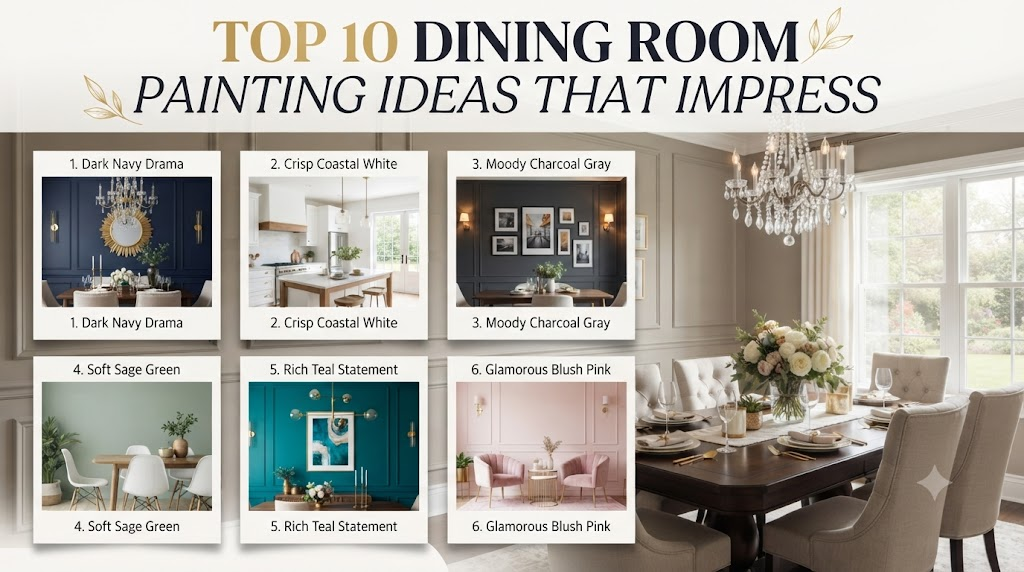
Top 10 Dining Room Painting Ideas That Impress
A fresh coat of paint is one of the easiest and most affordable ways to transform a dining room. The right color can make the space feel brighter, warmer, larger, sheves or more intimate without replacing furniture or completing a major renovation. Whether your dining room is modern, farmhouse, traditional, or contemporary, choosing the perfect paint color helps create the atmosphere you want for everyday meals and special occasions.
Today’s dining room paint trends go beyond simple white walls. Homeowners are embracing rich accent colors, warm neutrals, earthy greens, and creative paint techniques to add personality and style. In this guide, you’ll discover the 10 best dining room painting ideas, along with practical decorating tips that help you choose colors that complement your furniture, lighting, and overall interior design.
Why Paint Color Matters in a Dining Room
Paint color sets the mood before anyone notices the furniture or décor. Warm colors create a cozy and welcoming environment, while lighter shades make the room feel spacious and airy. Even a simple color change can completely refresh the appearance of your dining area.
The right paint also highlights architectural details such as trim, molding, built-in cabinets, and feature walls. By selecting colors that work with your lighting and furniture, you can create a dining room that feels balanced, elegant, and comfortable throughout the day.
How to Choose the Perfect Dining Room Paint Color
Before selecting a paint color, consider how much natural light enters your dining room. Bright spaces can handle deeper shades, while darker rooms usually benefit from lighter colors that reflect more light and make the area feel larger.
Also think about your existing furniture, flooring, curtains, and lighting fixtures. Your wall color should complement these elements instead of competing with them. Choosing colors with similar warm or cool undertones creates a cohesive and professionally designed appearance.
1. Bold Accent Wall Paint
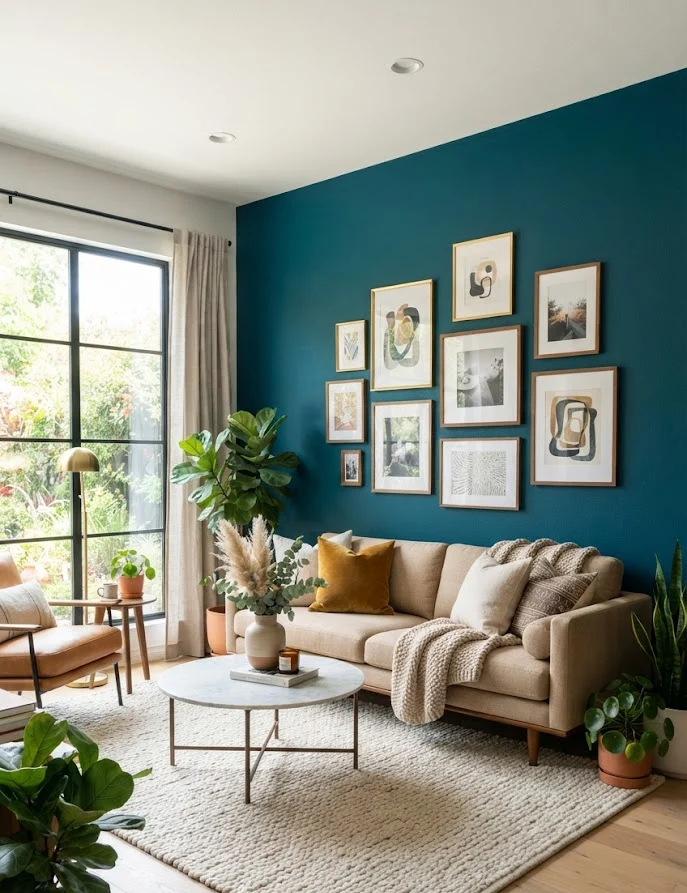
A bold accent wall is one of the easiest ways to give your dining room a dramatic makeover. Deep navy, emerald green, burgundy, charcoal, or rich terracotta instantly become the focal point while adding depth and character to the room.
Instead of painting every wall a dark color, use one feature wall behind the dining table or buffet cabinet. Pair it with lighter surrounding walls to maintain balance and prevent the room from feeling too enclosed.
2. Two-Tone Wall Design
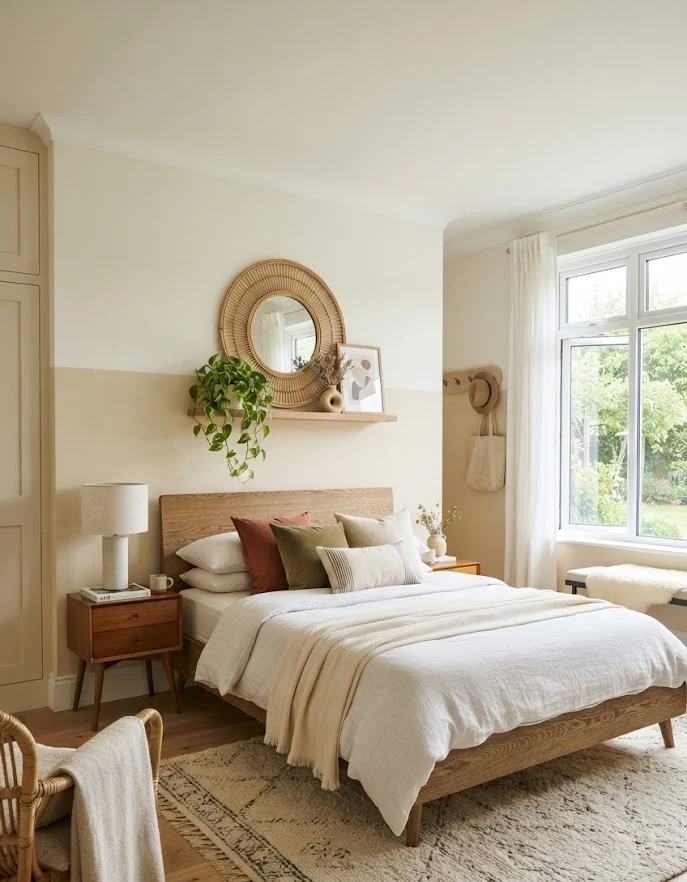
Two-tone walls create visual interest while making the dining room feel more custom and elegant. Paint the lower half of the wall in a darker shade and the upper section in a lighter complementary color to add depth without overwhelming the space.
You can separate the colors with chair rails, molding, or a simple painted dividing line. This design works beautifully in both traditional and modern homes while adding subtle architectural detail.
3. Warm Neutral Beige or Greige
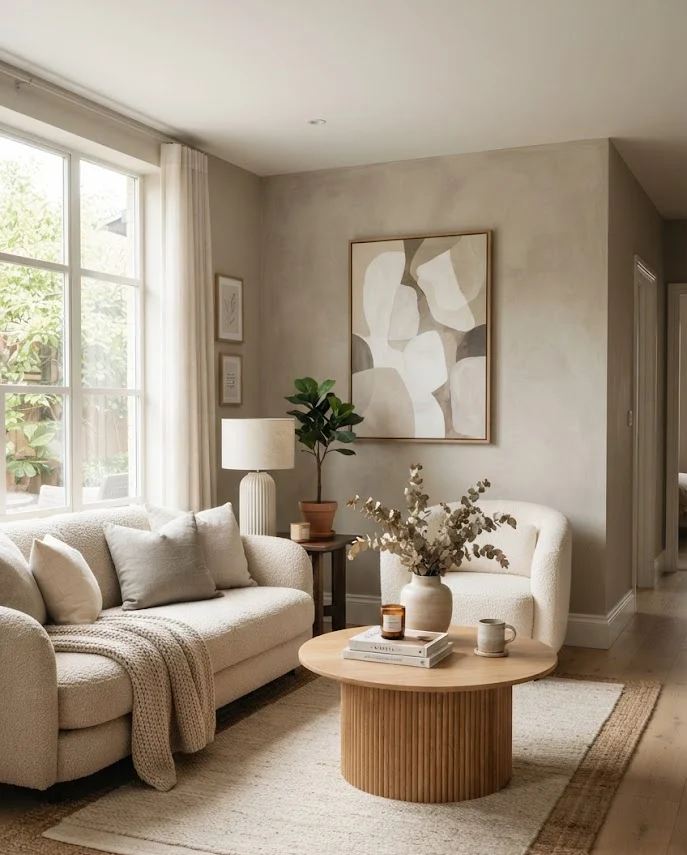
Warm beige and greige remain timeless choices because they work with almost every decorating style. These neutral colors create a soft background that allows your dining table, artwork, lighting, and accessories to become the main focus.
Layer the room with textured rugs, linen curtains, wooden furniture, and decorative lighting to prevent neutral walls from feeling plain. This combination creates a comfortable space that’s easy to update with seasonal décor.
4. Moody Charcoal Gray
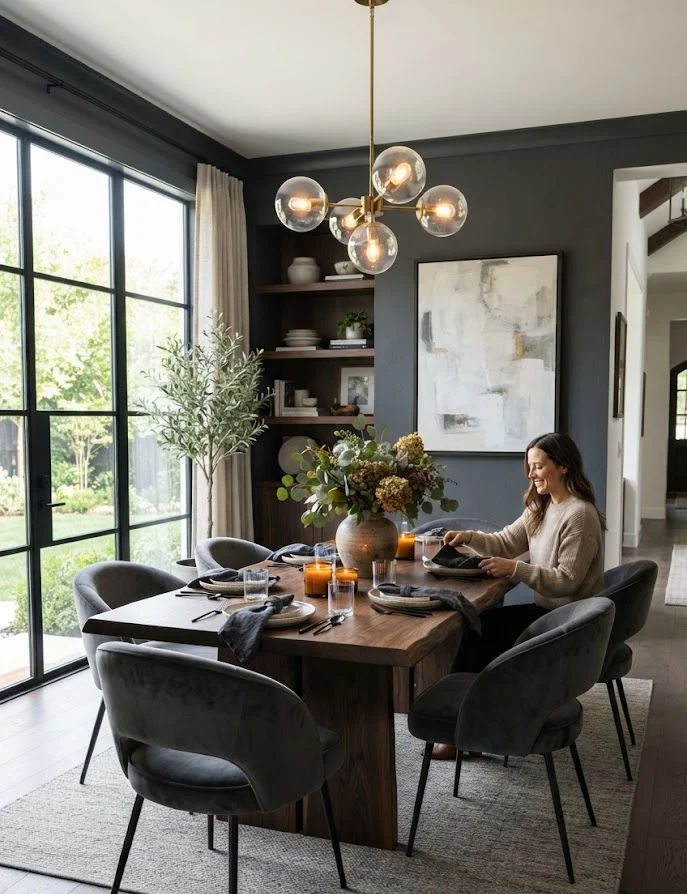
Charcoal gray is perfect for homeowners who want a sophisticated and luxurious dining room. This rich neutral creates contrast while providing a beautiful backdrop for artwork, mirrors, and statement lighting.
To keep the room inviting, pair charcoal walls with warm wood furniture, brass fixtures, white trim, and soft lighting. This balance prevents the space from feeling dark while adding depth and elegance.
5. Soft Pastel Blue
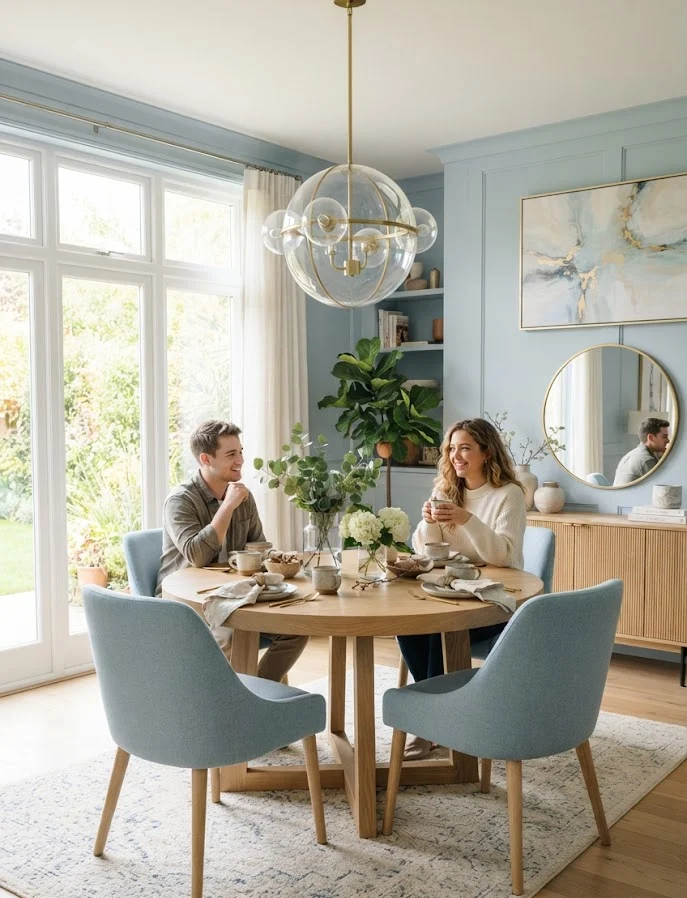
Soft pastel blue creates a peaceful and refreshing atmosphere that’s ideal for relaxed family meals. The gentle color reflects natural light beautifully, making smaller dining rooms feel brighter and more open.
Combine pastel blue walls with white trim, light wood furniture, woven textures, and greenery for a fresh coastal or modern farmhouse look. The result is a dining space that feels calm, welcoming, and timeless.
6. Earthy Olive Green
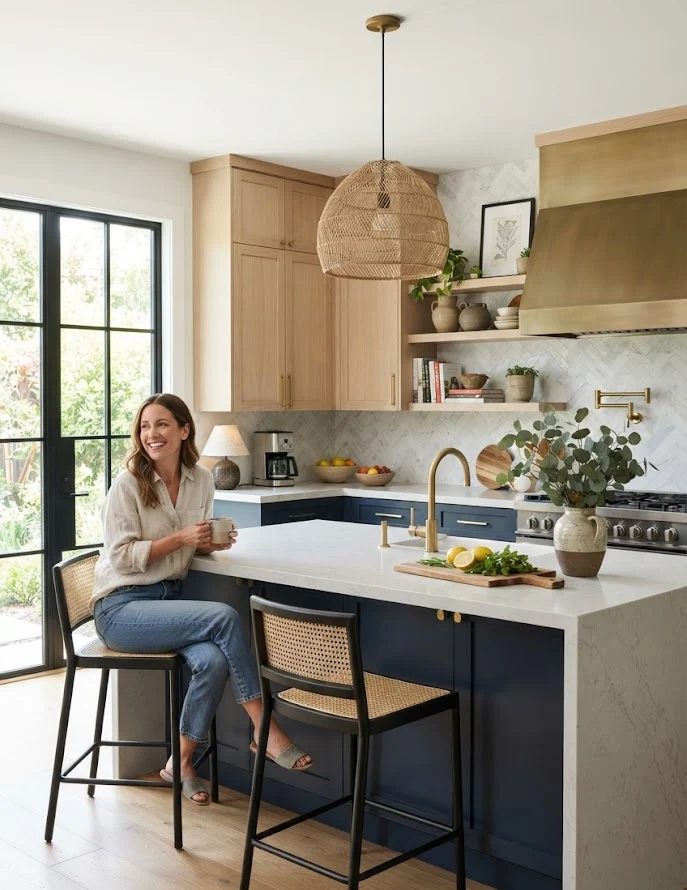
Earthy olive green is a beautiful choice if you want your dining room to feel warm, natural, and inviting. Inspired by nature, this rich shade adds depth while maintaining a calm atmosphere. It pairs perfectly with wooden furniture and creates a cozy environment for everyday meals and family gatherings.
For the best results, combine olive green walls with oak or walnut dining tables, woven rugs, linen curtains, and brass lighting. These natural materials enhance the earthy color and create a balanced dining room that feels stylish without being overly bold.
7. Matte Black Statement Walls
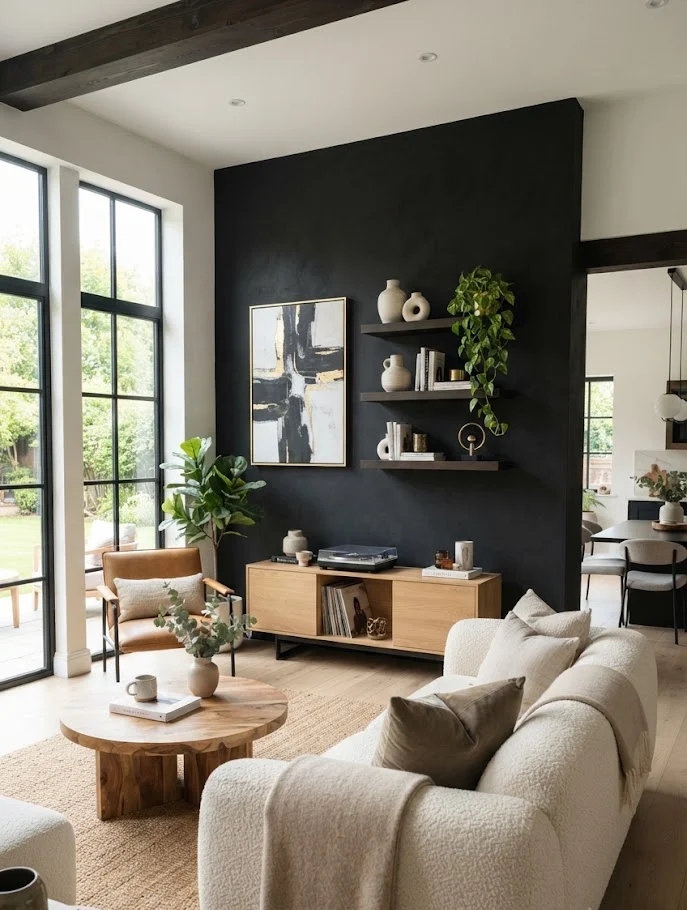
Matte black walls create a dramatic and luxurious dining room that instantly catches attention. While black may seem bold, it works beautifully when paired with plenty of natural light and lighter furniture. The matte finish gives the walls a soft, elegant appearance without excessive shine.
Balance the dark walls with white ceilings, warm wood furniture, gold or brass accents, and oversized mirrors. These elements brighten the room while maintaining the sophisticated look that matte black is known for.
8. Blush or Dusty Rose Accent
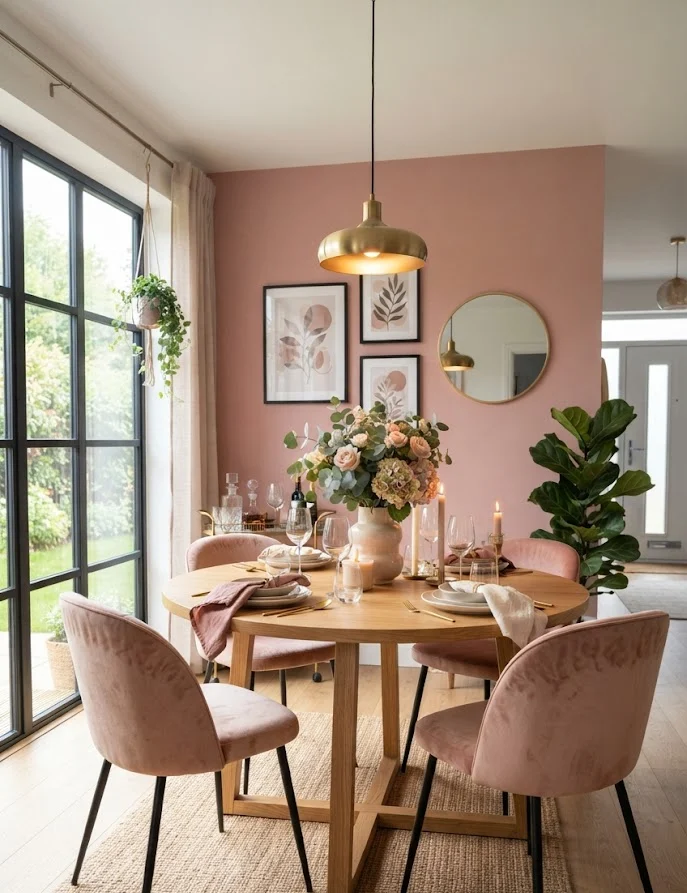
Blush and dusty rose bring warmth and softness to a dining room without feeling too bright or overwhelming. These muted pink tones create an elegant atmosphere and pair surprisingly well with both modern and traditional interiors.
Use blush on one accent wall or throughout the room if you prefer a softer look. Complete the design with cream upholstery, brass light fixtures, white trim, and natural wood furniture for a balanced and timeless finish.
9. Textured Paint Finish
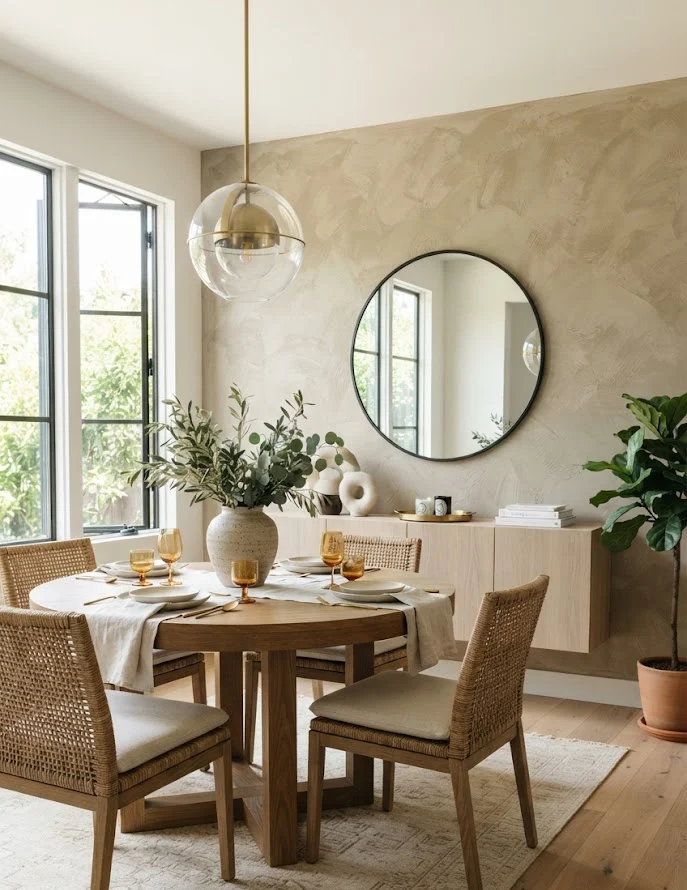
Textured paint finishes such as limewash, Roman clay, or Venetian plaster add visual depth beyond ordinary flat paint. These finishes create subtle movement across the walls, giving the dining room a handcrafted and designer-inspired appearance.
Textured walls work especially well in minimalist spaces where decorative elements are limited. Pair them with simple furniture, natural materials, and soft lighting to allow the wall finish to become the main design feature.
10. Classic White with Colored Trim
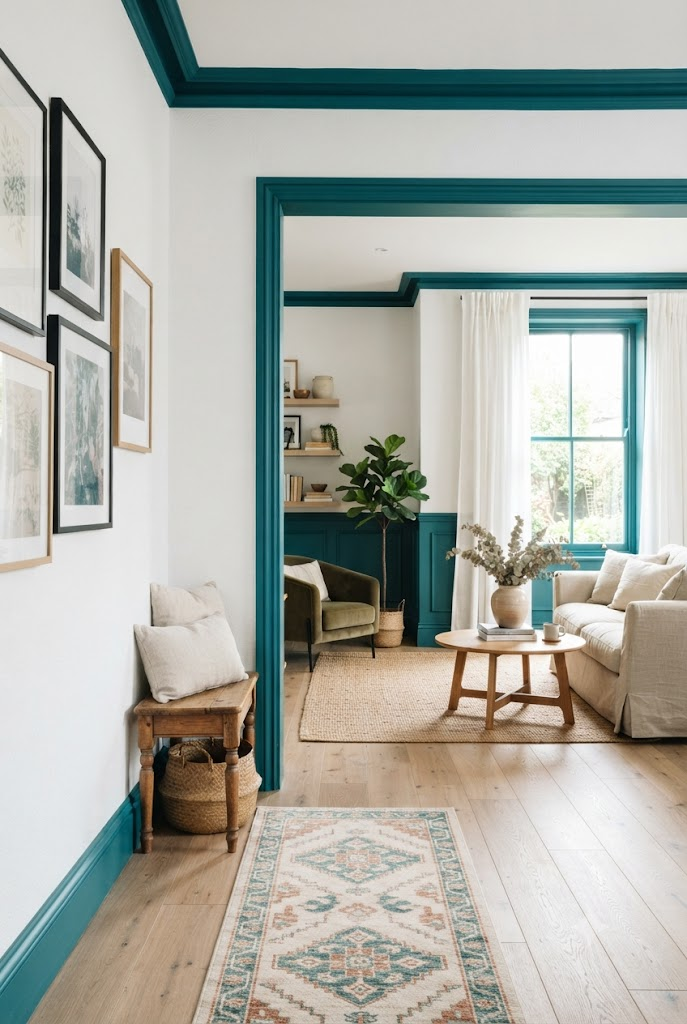
Classic white walls never go out of style, but adding colored trim gives the room a fresh and modern twist. Painting trim in shades like charcoal gray, navy blue, olive green, or black highlights architectural details while keeping the overall room bright.
This idea works particularly well in traditional homes where molding, window frames, and doors deserve extra attention. It creates subtle contrast while maintaining a clean and timeless appearance.
Best Paint Finishes for Dining Rooms
The paint finish you choose affects both the appearance and durability of your dining room walls. Since dining areas are used daily, it’s important to select a finish that’s attractive and easy to maintain.
Eggshell and satin finishes are the most popular choices because they offer a soft sheen while resisting stains and fingerprints. Matte paint provides a sophisticated look but may require more maintenance in busy households.
Recommended Paint Finishes
- Matte: Elegant finish for low-traffic dining rooms.
- Eggshell: Soft appearance with easy maintenance.
- Satin: Durable, washable, and ideal for family dining rooms.
- Semi-Gloss: Best for trim, doors, and moldings.
How to Match Paint with Furniture and Flooring
A beautiful dining room feels coordinated because every element complements the others. Start by identifying the undertones of your flooring, dining table, chairs, and cabinets. Warm wood finishes pair beautifully with beige, olive, terracotta, and cream walls, while cooler finishes work well with gray, navy, and soft blue.
Don’t forget your lighting fixtures and decorative accessories. Repeating similar colors throughout the room creates a cohesive design that feels professionally styled and visually balanced.
Common Dining Room Painting Mistakes to Avoid
One of the biggest mistakes homeowners make is choosing a paint color without testing it first. Paint can look completely different depending on natural light, artificial lighting, and the time of day. Always apply sample swatches to several walls before making your final decision.
Another common mistake is ignoring the room’s size and lighting. Extremely dark colors can make a small dining room feel cramped if not balanced with lighter furniture and décor. Similarly, bright white walls may appear cold without warm wood accents or soft lighting.
Expert Painting Tips for a Beautiful Finish
A successful painting project involves more than selecting the right color. Proper preparation ensures a smooth, long-lasting finish that enhances your dining room for years.
Follow these simple tips before you begin:
- Test paint samples in different lighting conditions.
- Repair holes and cracks before painting.
- Use painter’s tape for clean edges.
- Apply a quality primer when needed.
- Choose high-quality paint for better durability.
- Allow each coat to dry completely before applying the next.
- Use soft, warm lighting to enhance your chosen color.
Dining Room Paint Trends for 2026
Dining room color trends in 2026 focus on creating warm, comfortable spaces that feel inviting every day. Instead of bright or overly bold colors, homeowners are choosing earthy shades, soft neutrals, and nature-inspired tones that work well with different interior styles.
Paint is also being used more creatively. Accent walls, textured finishes, and colored trim continue to grow in popularity because they add personality without requiring a complete room makeover. These trends are easy to update and help create a dining room that feels modern yet timeless.
Popular Dining Room Paint Trends
- Warm greige and beige walls
- Olive green and sage green paint
- Deep navy and charcoal accent walls
- Limewash and textured finishes
- White walls with contrasting trim
- Soft terracotta and clay-inspired colors
- Earthy brown and mushroom tones
- Matte paint finishes for a modern look
Dining Room Painting Checklist
Before you start painting, use this checklist to make sure every detail has been considered. Good planning helps you avoid costly mistakes and ensures professional-looking results.
Dining Room Paint Checklist
- ✔ Measure the room before buying paint.
- ✔ Test paint samples on multiple walls.
- ✔ Check how colors look in daylight and at night.
- ✔ Match paint with flooring and furniture.
- ✔ Choose the right paint finish.
- ✔ Repair wall imperfections before painting.
- ✔ Protect floors and furniture with drop cloths.
- ✔ Use high-quality brushes and rollers.
- ✔ Apply primer if changing from dark to light colors.
- ✔ Allow enough drying time between coats.
Following these simple steps helps create a smooth finish and a dining room you’ll enjoy for years.
Frequently Asked Questions
What is the best paint color for a dining room?
Warm neutral colors such as beige, greige, soft white, and olive green are among the best choices. They create a welcoming atmosphere and match most furniture styles. If you prefer a dramatic look, navy blue or charcoal gray also work beautifully.
Which paint finish is best for dining room walls?
Eggshell and satin finishes are the most recommended because they are durable, easy to clean, and have a soft sheen. They resist everyday marks while maintaining an elegant appearance.
Can I paint one wall a different color?
Yes. An accent wall is an excellent way to introduce bold color without overwhelming the room. Popular choices include navy, charcoal, olive green, and deep burgundy behind the dining table.
How do I make a small dining room look bigger with paint?
Use light colors such as soft white, pale gray, cream, or light beige. Pair them with mirrors, natural lighting, and light-colored furniture to make the room feel brighter and more spacious.
Should the dining room match the kitchen color?
The colors don’t have to be identical, but they should complement each other. Using similar undertones creates a smooth transition between connected spaces while keeping each room unique.
How often should a dining room be repainted?
Most dining rooms need repainting every 5 to 8 years, depending on the quality of the paint and the amount of daily use. High-quality paint lasts longer and keeps the walls looking fresh.
Are dark paint colors still in style?
Yes. Deep shades like charcoal gray, forest green, navy blue, and matte black remain popular in modern dining rooms. They add elegance and depth, especially when balanced with warm lighting and lighter décor.
Conclusion
The right paint color has the power to completely transform your dining room, creating a space that feels warm, elegant, and welcoming. Whether you prefer timeless neutral shades, rich dramatic colors, or modern textured finishes, thoughtful color selection helps highlight your furniture, improve lighting, and enhance the overall atmosphere. By considering natural light, room size, and your existing décor, you can confidently choose a paint style that reflects your personality while standing the test of time.
Remember that successful dining room design isn’t just about following trends—it’s about creating a space where family and friends enjoy spending time together. Test paint samples before making a final decision, choose a durable finish that suits your lifestyle, and don’t be afraid to add personal touches through accent walls or creative trim colors. With these top 10 dining room painting ideas, you can refresh your home with confidence and design a dining room that is both stylish and functional for years to come.