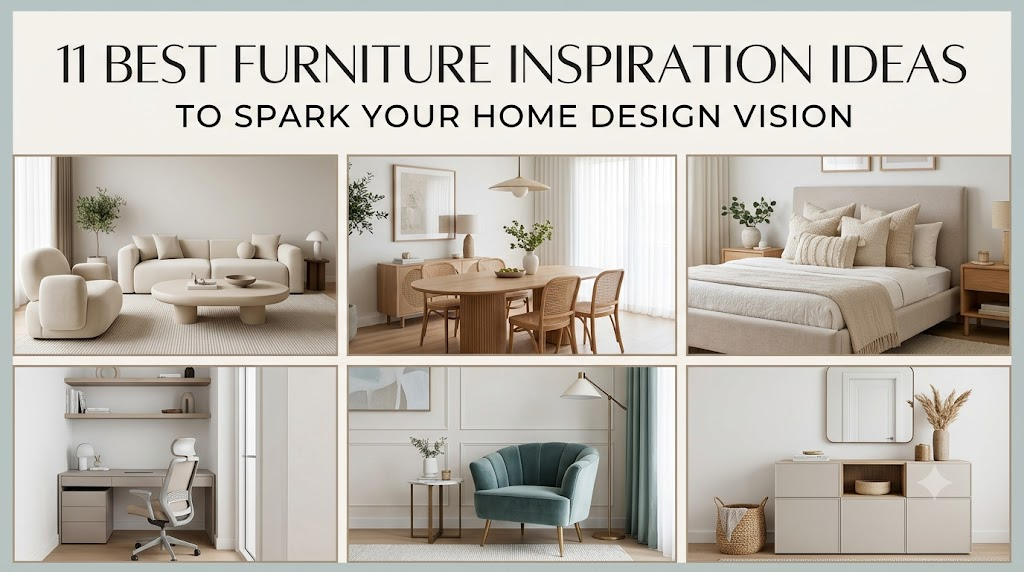
11 Best Furniture Inspiration Ideas To Spark Your Home Design Vision
Furniture design is more than just selecting pieces that fit; it is about orchestrating a symphony of comfort, utility, and visual rhythm. Your home should function as a sanctuary that adapts to your lifestyle. When you curate your furniture with intention, you are not just decorating; you are optimizing your daily well-being. This guide explores professional strategies to help you harmonize your space.
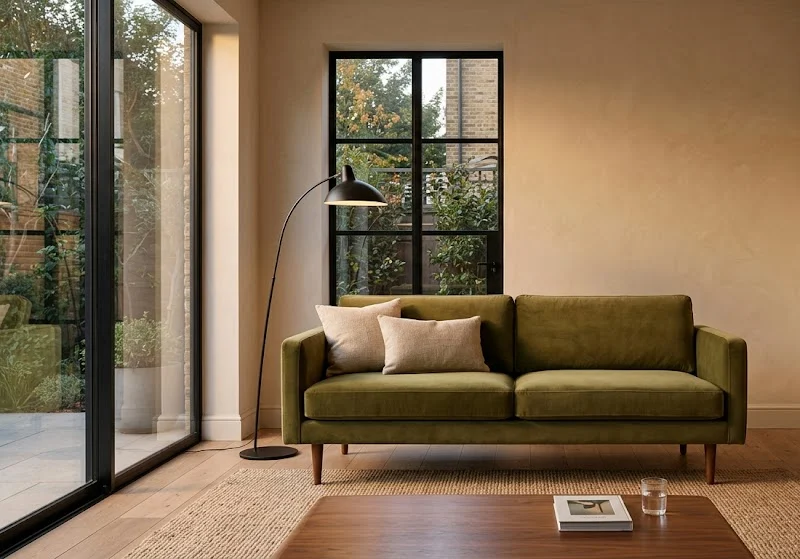
1. Embracing Mid-Century Modern Minimalism
This design movement, birthed in the 1950s, remains the gold standard for versatility. It prioritizes functional beauty—think clean lines and gentle, organic curves.
- Extra Insight: To elevate this style, don’t over-clutter. Choose one iconic piece (like an Eames-inspired lounge chair) and let it act as the room’s anchor.
2. The Art of Biophilic Furniture Integration
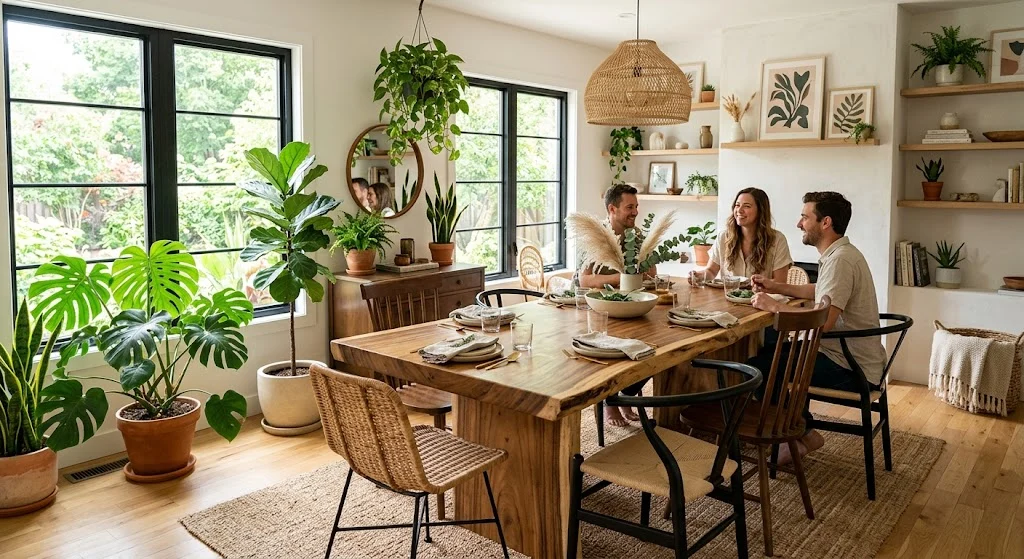
Biophilic design aims to connect occupants with nature. In furniture, this means choosing tactile, raw materials that feel “alive.”
- Extra Insight: Incorporate rattan or cane webbing in cabinet doors to add texture and breathability to heavy wooden pieces.
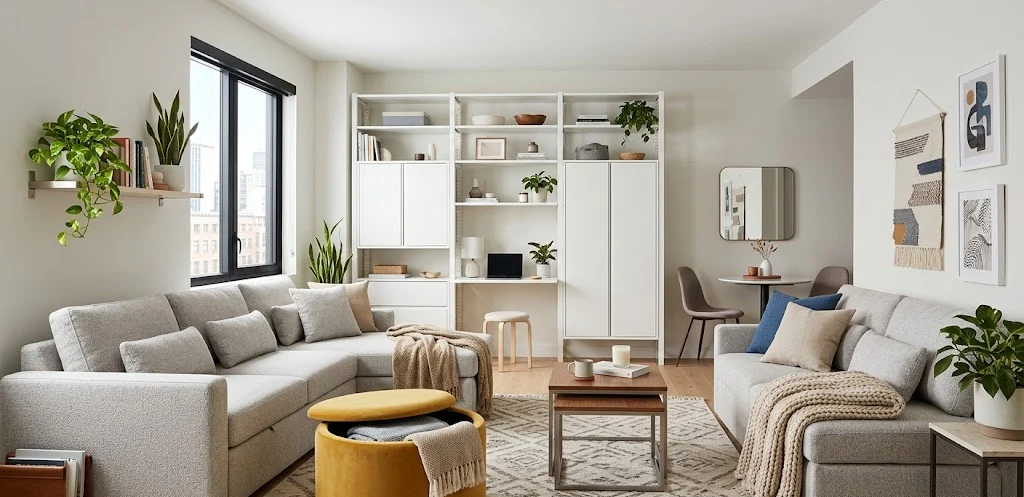
3. Mastering Multi-Functional “Transformer” Living
In modern urban settings, every square inch counts. Multi-functional furniture is the secret to a clutter-free, high-functioning home.
- Extra Insight: Look for “hidden storage” solutions—such as beds with hydraulic lift bases or coffee tables that expand into dining desks.
4. Bold Statement Pieces: The “Hero” Strategy
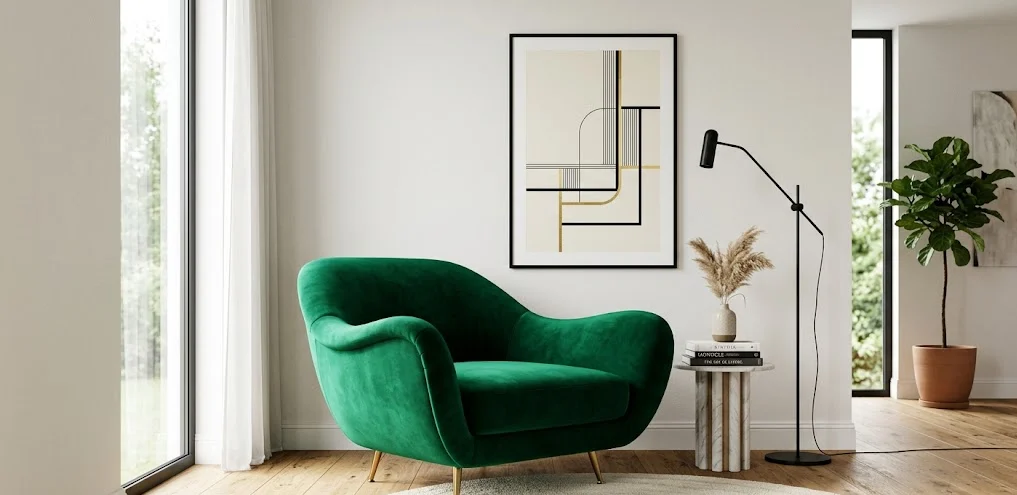
A room needs a focal point—a “hero” piece that demands attention. This could be a dramatic velvet armchair or an oversized, hand-carved console table.
- Extra Insight: Use the 80/20 rule: 80% of your furniture should be neutral, while 20% should be your “wow” factor.
5. The Curated Collector’s Aesthetic
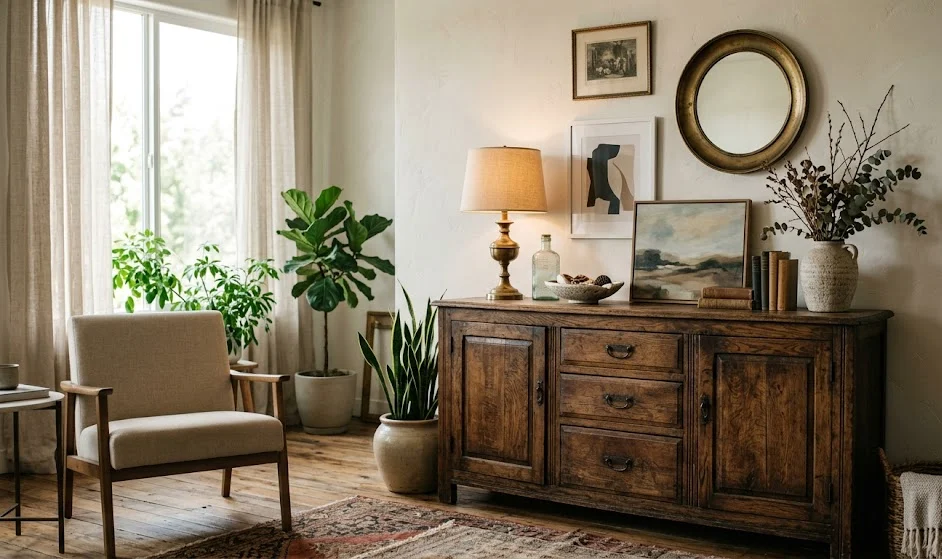
Perfectly matching sets often feel sterile. The most sophisticated homes look “collected” over time.
- Extra Insight: If you buy a new modern table, pair it with vintage-style chairs. This mix of eras creates immediate visual depth.
6. Maximalist Texture Layering
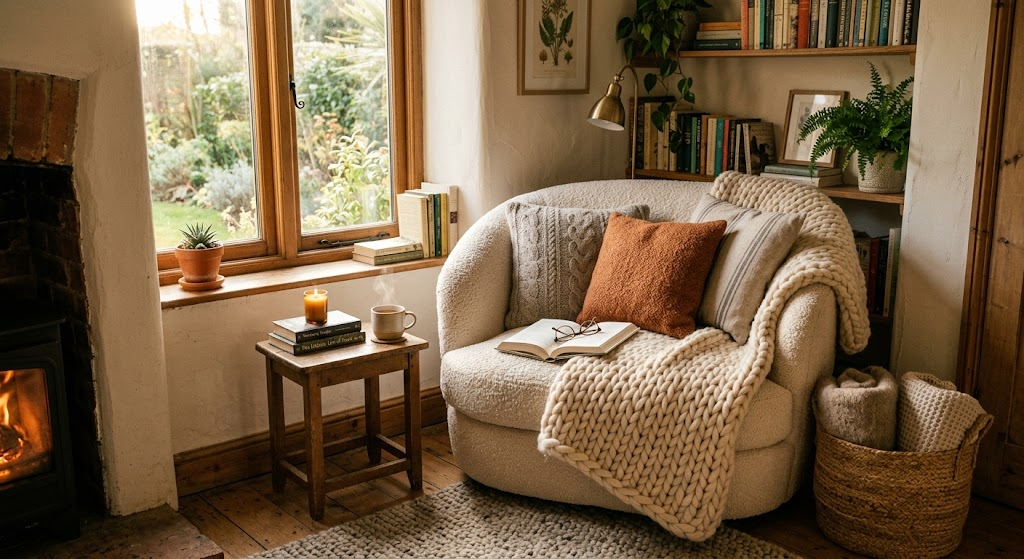
You don’t need wild colors to make a room feel “extra.” Layering textures creates a sensory-rich environment.
- Extra Insight: Combine opposites: pair a cold marble coffee table with a soft, oversized bouclé armchair. The contrast makes both materials look more expensive.
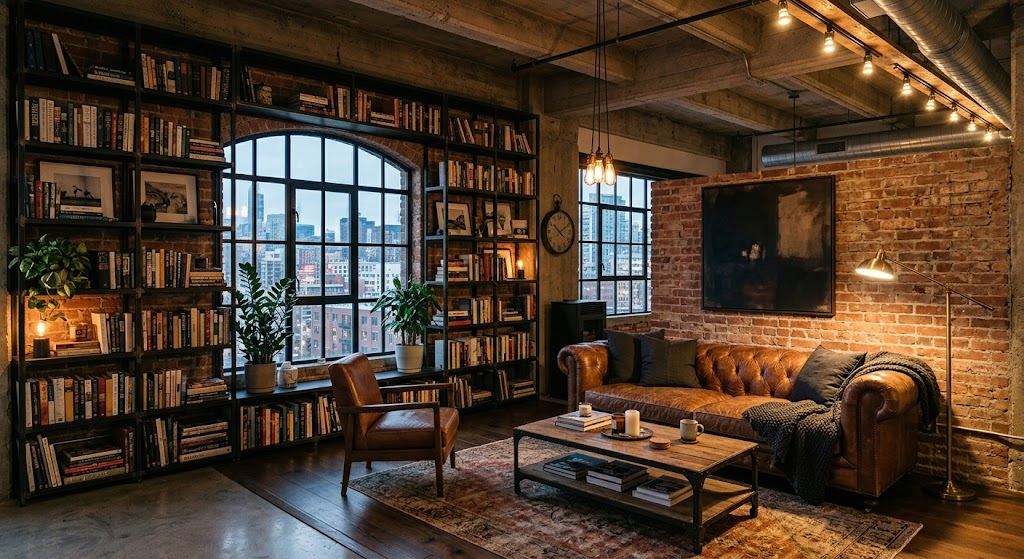
7. Industrial Loft: The Raw Elegance
Industrial style celebrates the bones of a building. It utilizes metal, exposed wood, and leather to create a rugged, masculine, yet welcoming atmosphere.
- Extra Insight: Soften the “coldness” of industrial metal furniture by adding warm, Edison-bulb lighting and thick, woven rugs.
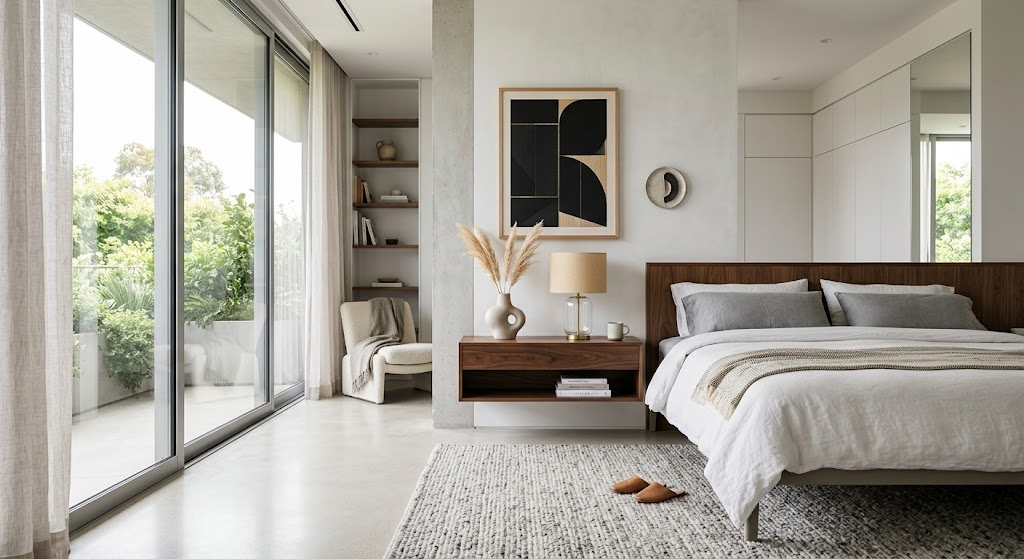
8. The “Floating” Furniture Effect
Floating furniture—pieces mounted directly to the wall—creates an illusion of a larger, more airy space.
- Extra Insight: Use floating consoles in narrow hallways to provide storage without obstructing traffic flow.
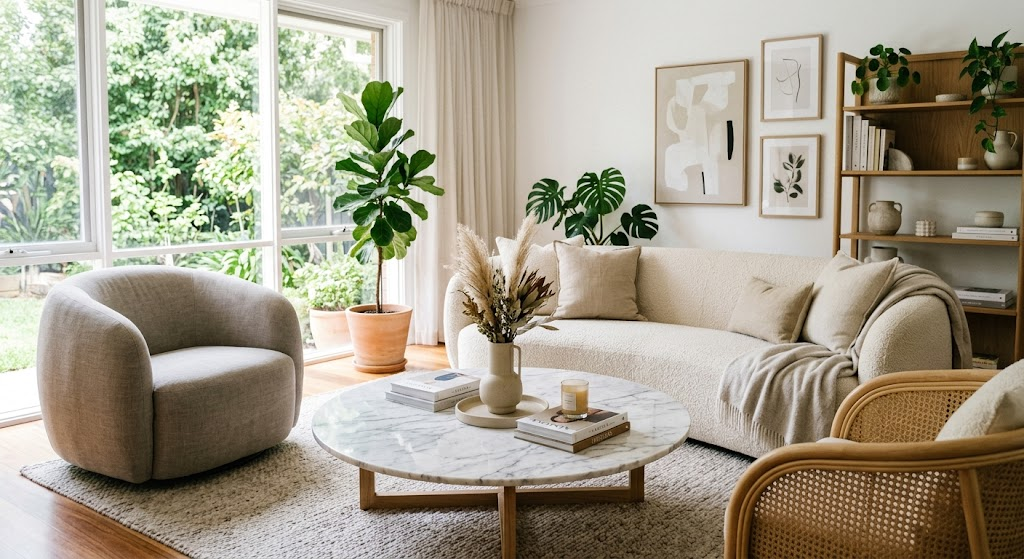
9. The Geometric Shift: Round vs. Angular
Most architecture is rectangular. Using round furniture introduces curves that soften the harshness of straight walls and corners.
- Extra Insight: A round dining table facilitates better conversation, as everyone faces the center.
10. Sustainable Design: The Future of Furniture
Eco-conscious design is not just a trend; it is the future. Look for pieces made from reclaimed wood, recycled metals, or non-toxic fabrics.
- Extra Insight: Check the manufacturer’s certification—look for FSC (Forest Stewardship Council) labels to ensure your wood is sustainably sourced.
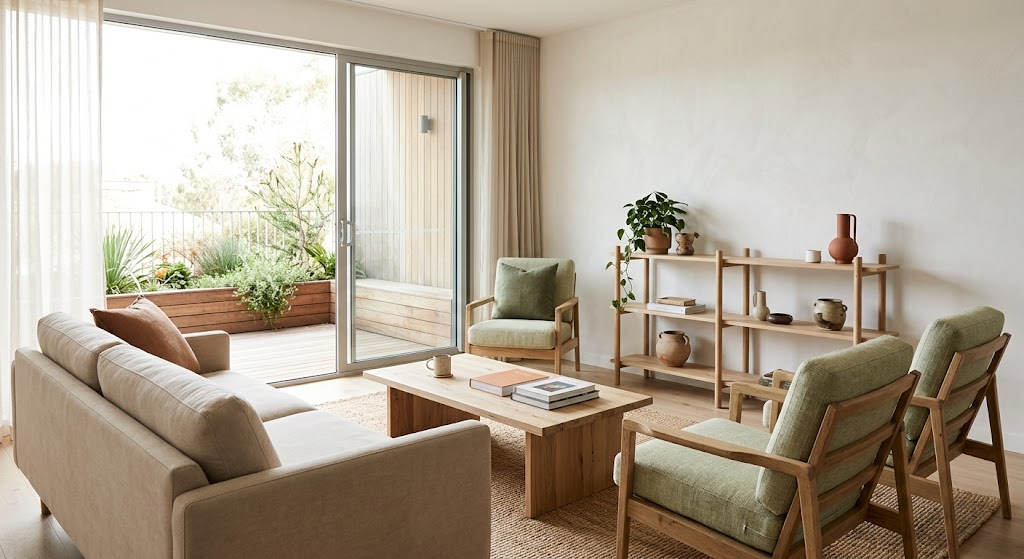
11. Monochromatic Sophistication
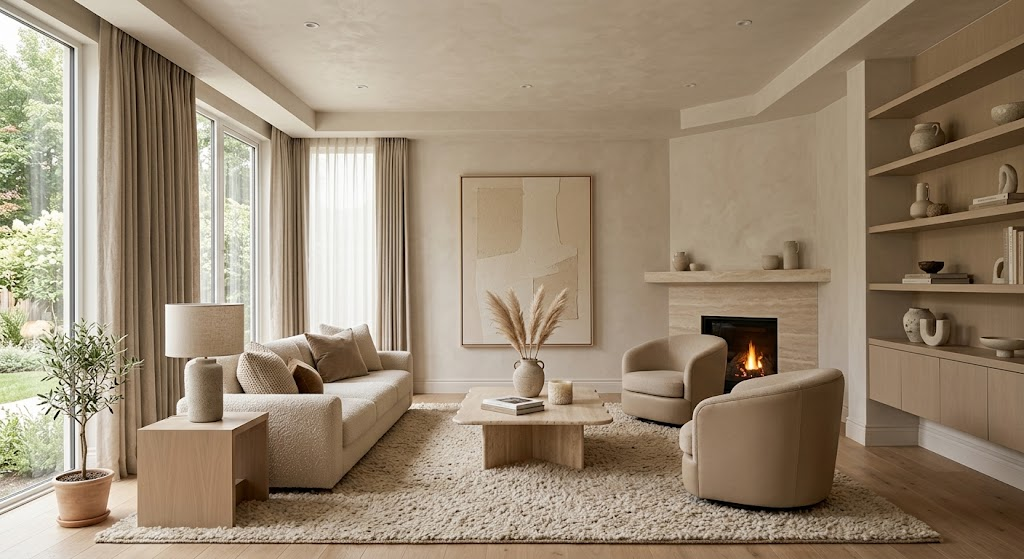
Monochromatic doesn’t mean boring. By sticking to one color family (like creams, tans, and taupes), you create a calming, cohesive gallery-like home.
- Extra Insight: The key to monochrome is variation. If you are using beige, ensure you have shades of cream, sand, and deep camel to add dimension.
Conclusion
Your home design vision is a personal evolution. By blending these 11 furniture inspiration ideas, you can build a space that feels curated, intentional, and perfectly suited to your lifestyle. Remember: quality pieces and strategic placement will always trump temporary trends. Start with the anchor pieces, layer in your textures, and don’t be afraid to let your personal history shine through your furniture choices.
Frequently Asked Questions (FAQs)
Q1: How do I mix different furniture styles without it looking messy?
- Answer: The “bridge” method works best. Find one element (like color, shape, or material) that repeats across the different styles. For example, use a metallic finish that appears in both your modern coffee table and your vintage lamp to tie them together.
Q2: What is the most important furniture piece to invest in?
- Answer: Prioritize the “big three”: your sofa, your mattress, and your dining table. Since these are used for hours every day, their ergonomic quality will directly impact your long-term health and comfort.
Q3: How can I make a small room feel bigger?
- Answer: Opt for furniture with tapered, raised legs. By exposing more of the floor, you create a sense of openness. Additionally, incorporate transparent materials like glass or acrylic tables to reduce visual weight.
Q4: Should I always follow current design trends?
- Answer: Use trends as inspiration, not rules. Trends like “Japandi” or “Hollywood Regency” are great to learn from, but your permanent furniture should reflect what makes you feel at home.
Q5: How do I know if a piece of furniture is good quality?
- Answer: Look for “dovetail” joints in drawers rather than staples, ensure frames are made of kiln-dried hardwood (not particleboard), and check that upholstery patterns line up at the seams.