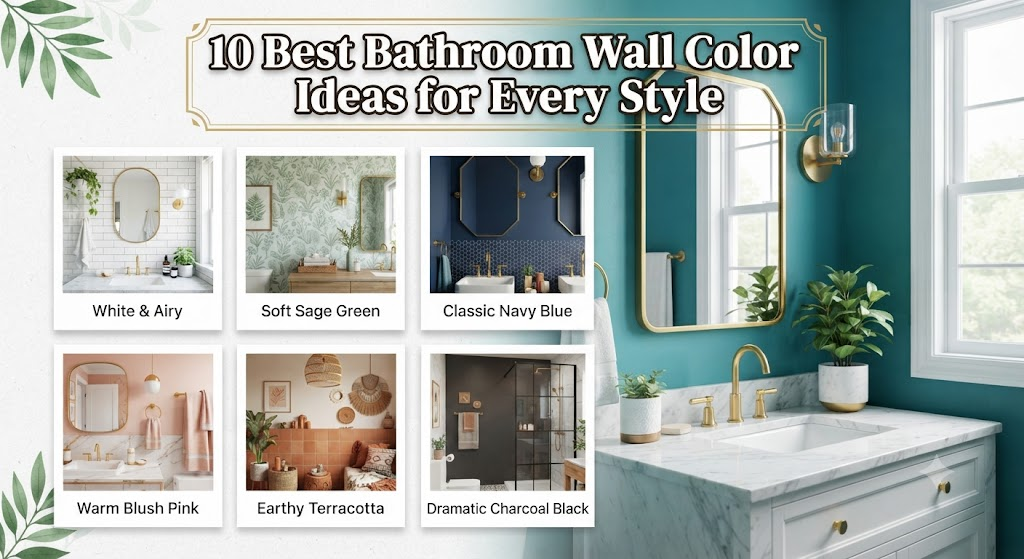
10 Best Bathroom Wall Color Ideas for Every Style
Choosing the right bathroom wall color can completely transform the way your bathroom looks and feels. Whether you have a compact powder room or a spacious master bathroom, the paint color sets the mood before any décor or accessories are added. A well-chosen shade can make a small bathroom appear larger, brighten a dark room, and create a relaxing atmosphere that you’ll enjoy every day.
Modern bathrooms are no longer limited to plain white walls and art. Today’s homeowners are embracing warm neutrals, calming greens, elegant blues, and even dramatic dark shades to give their bathrooms personality. The key is selecting a color that complements your lighting, flooring, vanity, and fixtures while remaining timeless enough to enjoy for years.
In this guide, you’ll discover the 10 best bathroom wall color ideas, along with practical decorating tips and professional advice to help you create a bathroom that feels fresh, stylish, and inviting.
Why Bathroom Wall Color Matters
Wall color is one of the first things people notice when entering a bathroom. It influences how bright, spacious, and comfortable the room feels. Even without changing your fixtures or flooring, a fresh coat of paint can completely update the space.
The right color also enhances your overall design style. Soft shades create a peaceful spa-like retreat, while darker colors add elegance and luxury. By choosing the right paint, you can make your bathroom feel more welcoming without spending a fortune on renovations.
How to Choose the Right Bathroom Wall Color
Before selecting a paint color, consider how much natural light your bathroom receives. Bright bathrooms can handle deeper shades, while bathrooms with few or no windows usually benefit from lighter colors that reflect artificial light and make the room feel larger.
Also think about your existing materials. Your wall color should complement the tiles, countertops, cabinets, mirrors, and hardware instead of competing with them. Choosing colors that blend naturally with your décor creates a balanced and cohesive design.
1. Soft White
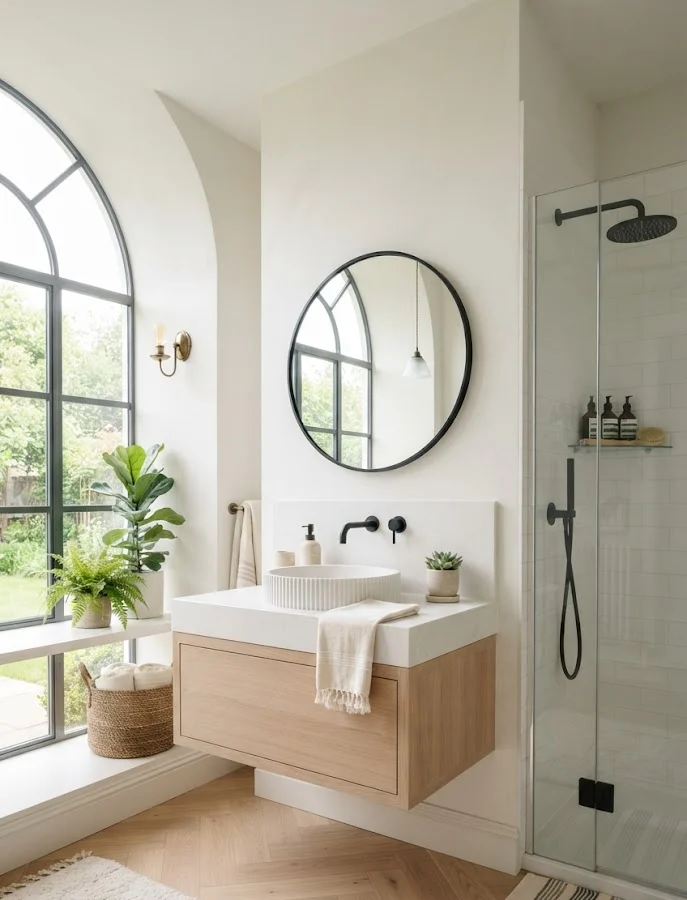
Soft white remains one of the most popular bathroom colors because it instantly makes the room feel clean, fresh, and spacious. Unlike bright pure white, soft white has warm undertones that create a welcoming atmosphere instead of a cold or clinical appearance.
This versatile shade pairs beautifully with marble countertops, wood vanities, black hardware, chrome fixtures, and natural stone tiles. It also reflects both natural and artificial light, making even small bathrooms appear brighter and more open.
2. Light Gray
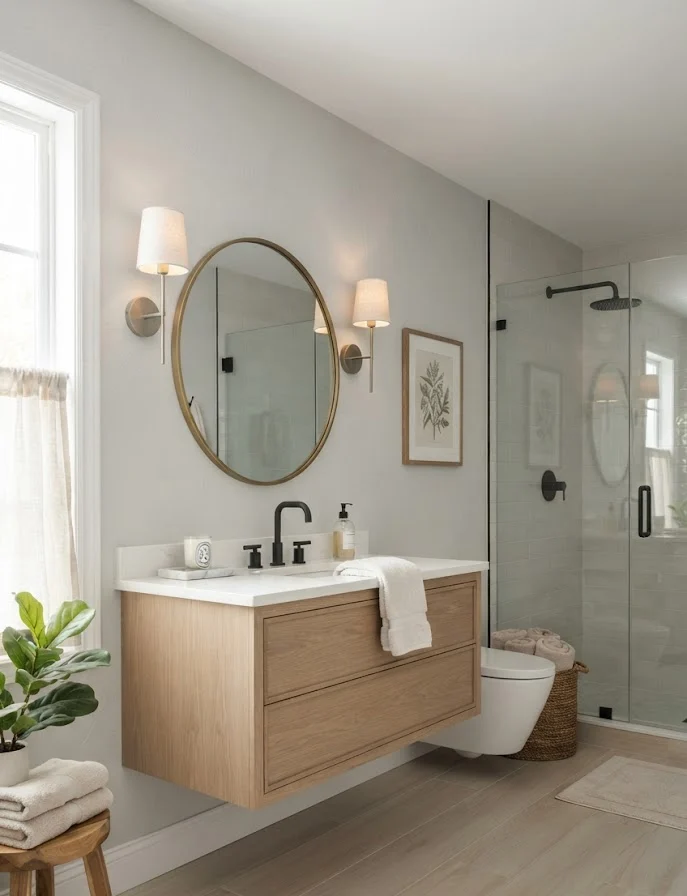
Light gray is a timeless neutral that offers more depth than white while still maintaining a bright appearance. It adds subtle sophistication and works well in both modern and traditional bathrooms.
Pair light gray walls with white cabinetry, polished nickel fixtures, and warm wood accents to prevent the room from feeling too cool. The result is a balanced, elegant space that looks stylish without being overly trendy.
3. Beige and Warm Neutral Tones
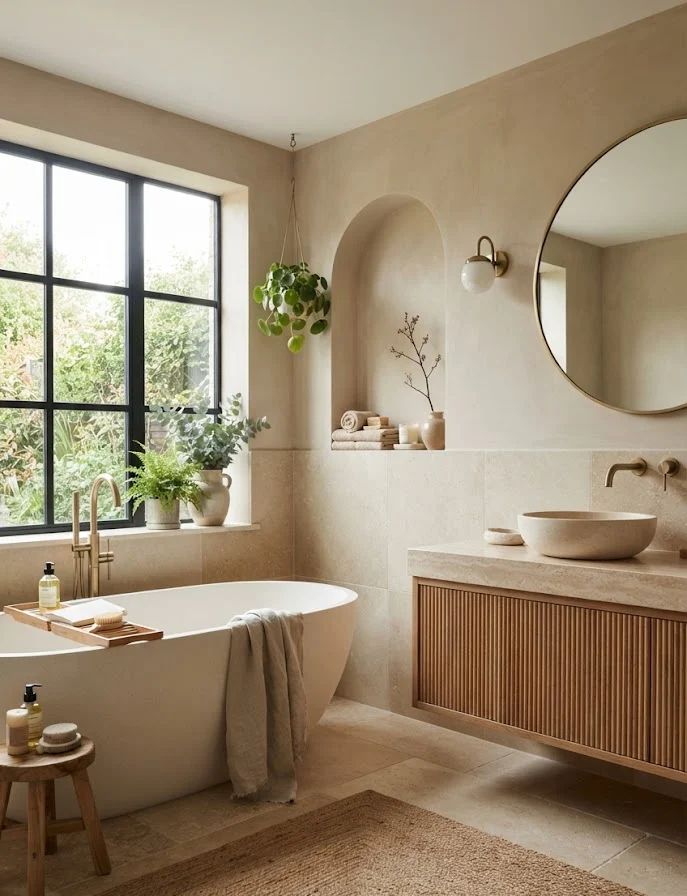
Beige and warm neutral shades create a cozy and inviting bathroom that feels comfortable throughout the year. These colors soften harsh lighting and add natural warmth, making the space feel relaxing rather than stark.
Warm neutrals work especially well alongside wood vanities, travertine tiles, woven baskets, and brass fixtures. Because they never go out of style, they’re an excellent choice for homeowners looking for a timeless design.
4. Soft Blue
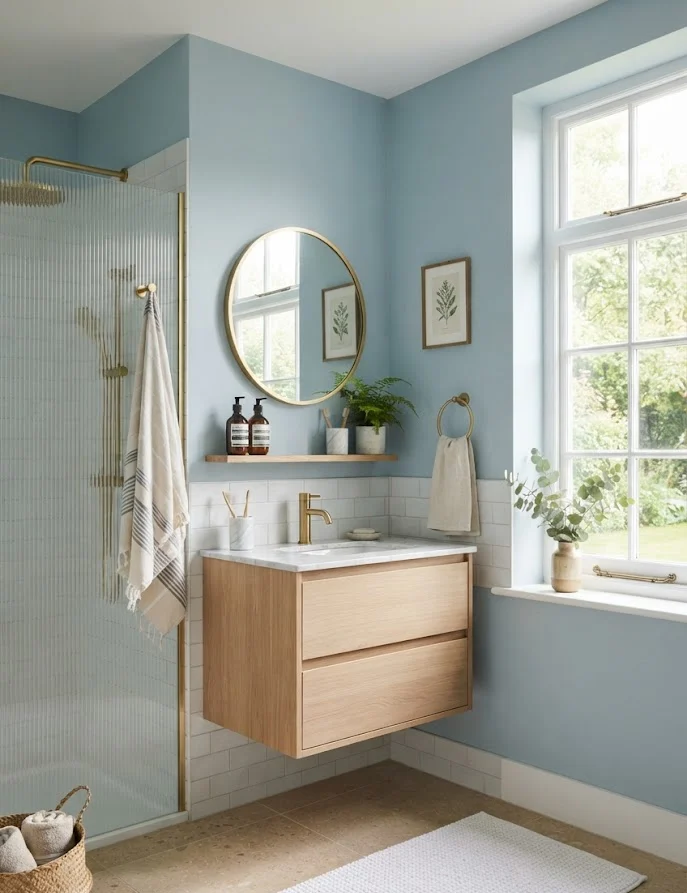
Soft blue is one of the best colors for creating a spa-inspired bathroom. Since blue naturally reminds us of water and the sky, it promotes relaxation and helps the space feel calm and peaceful.
Light blue walls pair beautifully with crisp white towels, floating shelves, glass shower doors, and silver fixtures. Together, these elements create an airy atmosphere that’s perfect for everyday relaxation.
5. Sage Green
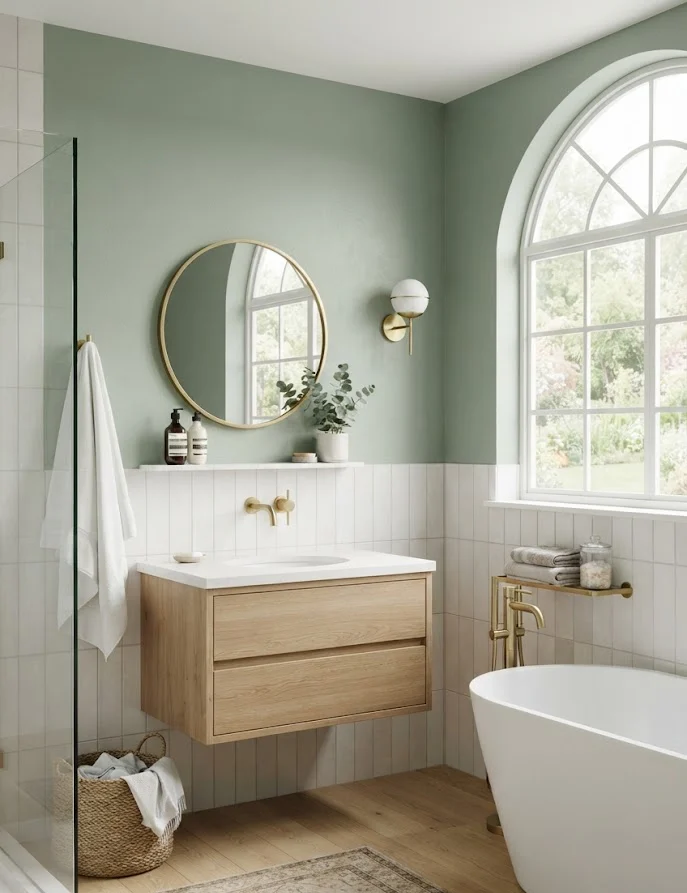
Sage green has become one of the biggest interior design trends because it brings the calming beauty of nature indoors. Its muted tone feels fresh without overwhelming the space, making it suitable for bathrooms of every size.
This color looks stunning with natural wood cabinets, white subway tiles, matte black hardware, stone countertops, and indoor plants. Together, these materials create a soothing, organic bathroom that’s both modern and timeless.
6. Charcoal Gray
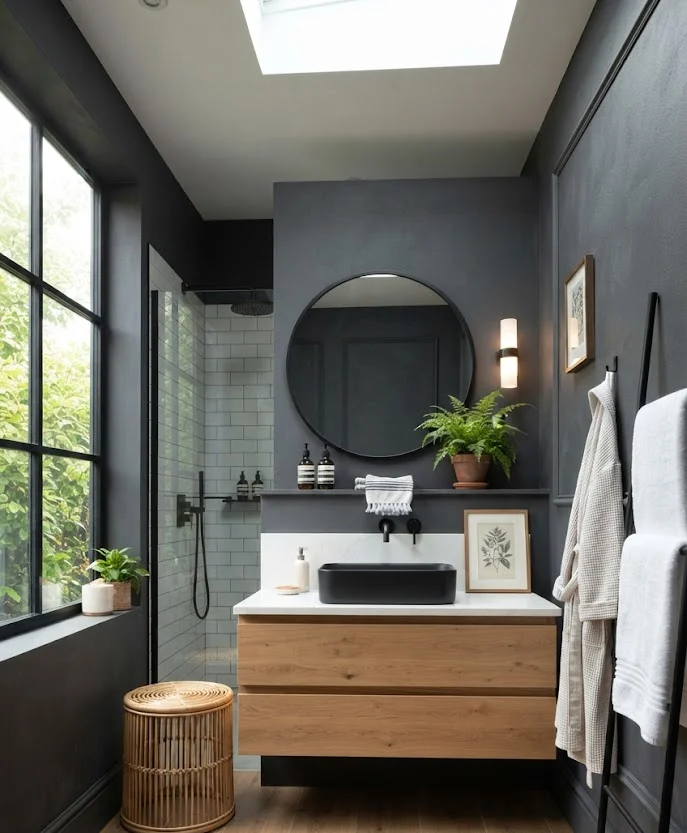
Charcoal gray is an excellent choice if you want to give your bathroom a luxurious and modern appearance. This rich color creates depth and makes white fixtures, mirrors, and vanities stand out against charcoal gray bathroom walls. It’s effective in larger bathrooms with plenty of natural light.
To keep the room from feeling too dark, pair charcoal gray walls with white marble, warm wood finishes, brushed gold hardware, or matte black fixtures. Layering soft lighting also helps create a cozy and elegant atmosphere that feels both stylish and inviting.
7. Pale Pink or Blush
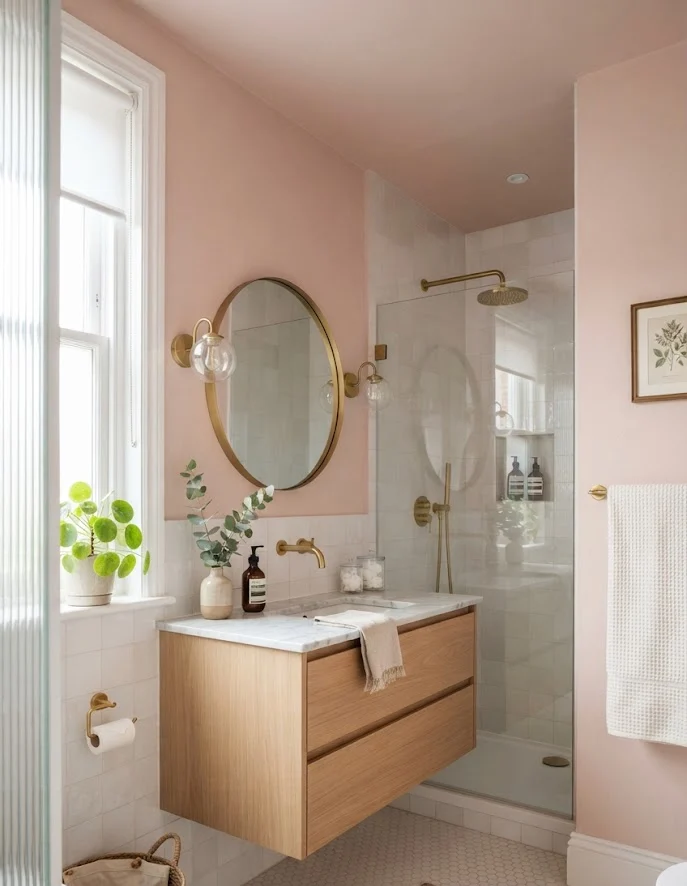
Pale pink or blush adds warmth and softness without making the bathroom feel overly feminine. Muted blush tones create a sophisticated look that works surprisingly well in both contemporary and classic interiors.
Pair blush walls with white tiles, natural wood, brass fixtures, or black accents for a balanced design. The gentle color brightens the room while adding a subtle touch of personality that’s elegant rather than overwhelming.
8. Navy Blue
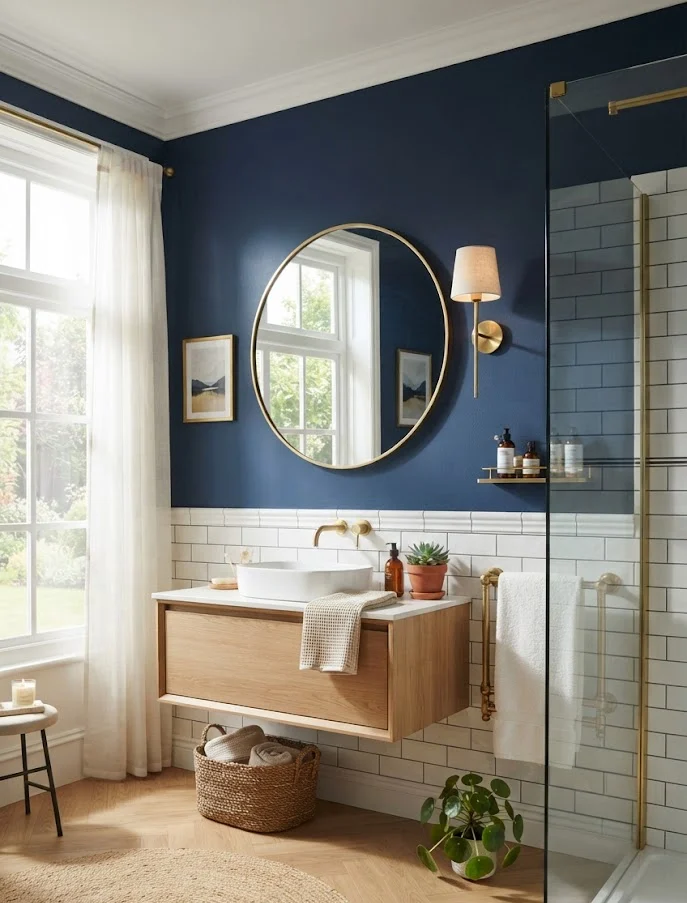
Navy blue is perfect for homeowners who want a bold yet timeless bathroom. Its rich tone creates a dramatic backdrop that instantly elevates the entire space and gives it a high-end designer feel.
For the best results, combine navy walls with white subway tiles, marble countertops, brass lighting, or polished chrome fixtures. This contrast keeps the room bright while allowing the deep blue color to become the focal point.
9. Taupe
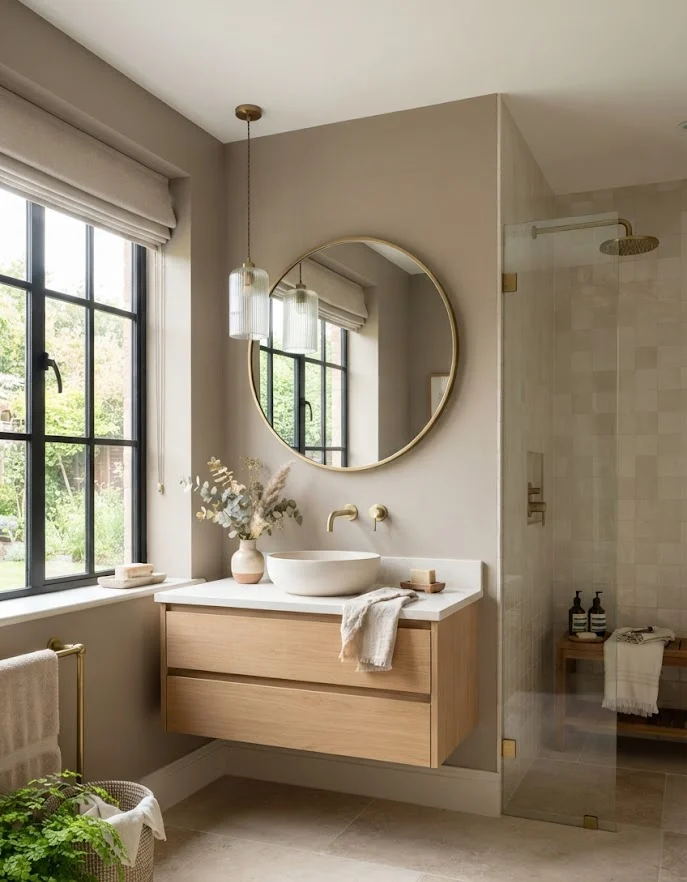
Taupe combines the warmth of beige with the sophistication of gray, making it one of the most versatile bathroom colors available. It adapts beautifully to changing light throughout the day and works with almost every decorating style.
This neutral shade complements wood cabinets, stone countertops, ceramic tiles, and metallic finishes with ease. If you’re looking for a color that stays stylish for years, taupe is an excellent long-term investment.
10. Two-Tone Wall Colors
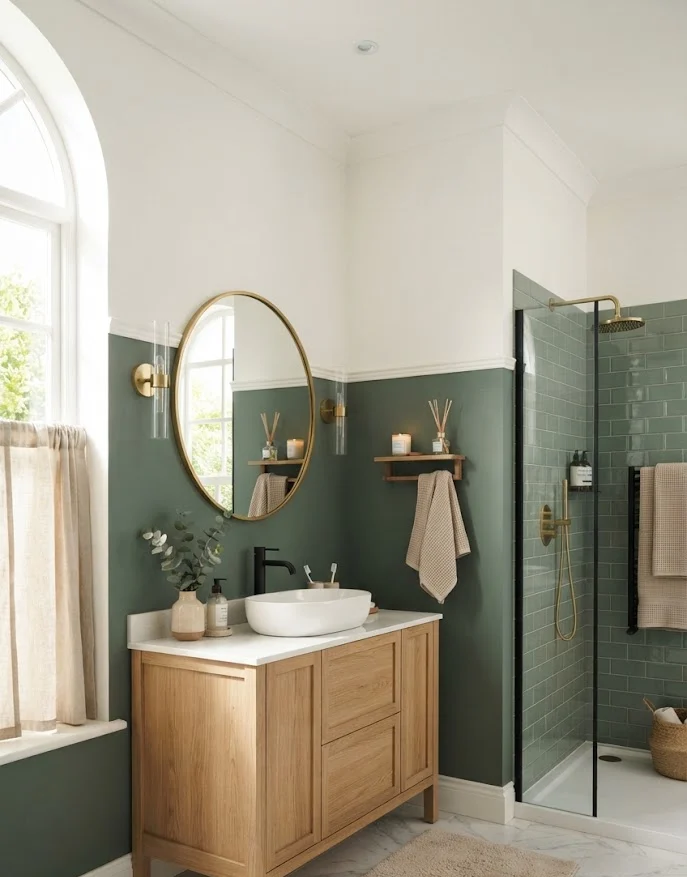
Two-tone walls add visual interest without requiring bold colors throughout the room. A popular approach is painting the lower half of the wall in a darker shade while keeping the upper section light to create balance and make ceilings appear taller.
You can also use two complementary neutral colors for a subtle layered effect. This design technique works especially well in small bathrooms where architectural detail is limited but style is still important.
Best Paint Finishes for Bathrooms
Choosing the right paint finish is just as important as selecting the perfect color. Bathrooms experience constant moisture, humidity, and temperature changes, so the finish should be durable and easy to clean.
Satin and semi-gloss finishes are among the best choices because they resist moisture, prevent mildew buildup, and wipe clean easily. Matte finishes look beautiful but are generally better suited for low-moisture powder rooms rather than full bathrooms with showers.
Best Paint Finishes at a Glance
- Matte: Best for powder rooms with low humidity.
- Eggshell: Soft appearance with light durability.
- Satin: Excellent balance of beauty and moisture resistance.
- Semi-Gloss: Highly durable and ideal for busy family bathrooms.
- Gloss: Great for trim, doors, and moldings rather than full walls.
How to Match Wall Colors with Bathroom Décor
A beautiful bathroom feels cohesive because every design element works together. Start by identifying the dominant materials in your space, such as tile, flooring, countertops, and cabinetry. Your wall color should enhance these features instead of competing with them.
Warm colors like beige, taupe, and blush pair beautifully with wood and brass finishes. Cool colors such as gray, navy, and soft blue complement chrome, marble, and white fixtures. Adding matching towels, artwork, and decorative accessories helps complete the overall design.
Common Bathroom Paint Mistakes to Avoid
One common mistake is selecting a paint color without testing it first. Lighting changes throughout the day, so a color that looks perfect on a paint chip may appear completely different once applied to the walls. Always test sample patches before making a final decision.
Another mistake is ignoring the room’s lighting and size. Dark colors can overwhelm a small bathroom with limited light, while extremely bright whites may feel harsh under cool LED lighting. Choosing moisture-resistant paint and the correct finish also helps ensure your walls stay beautiful for years.
Bathroom Wall Color Trends for 2026
Bathroom color trends in 2026 focus on creating spaces that feel peaceful, warm, and connected to nature. Instead of bright, overpowering colors, homeowners are choosing earthy neutrals, muted greens, soft blues, and warm whites that provide a timeless look. These shades make bathrooms feel relaxing while complementing a wide range of décor styles.
Another growing trend is adding contrast through paint rather than expensive renovations. Accent walls, two-tone designs, and darker vanity colors paired with lighter walls are becoming increasingly popular. These simple updates add personality while keeping the bathroom bright, stylish, and easy to refresh in the future.
Popular Bathroom Colors for 2026
- Warm White
- Soft Beige
- Greige
- Sage Green
- Olive Green
- Dusty Blue
- Navy Blue
- Taupe
- Charcoal Gray
- Soft Blush
Simple Tips to Keep Bathroom Walls Looking New
Even the best paint needs proper care to stay beautiful. Always use a high-quality moisture-resistant paint designed for bathrooms, and make sure your exhaust fan is working properly to reduce humidity. Good ventilation helps prevent peeling paint, mildew, and discoloration.
Clean painted walls occasionally with a soft cloth and mild soap instead of harsh chemicals that may damage the finish. Fix small chips or scratches as soon as they appear to keep the walls looking fresh. With regular maintenance, your bathroom paint can remain beautiful for many years.
Quick Bathroom Wall Color Tips
If you’re still unsure which color to choose, these simple design tips can help you make the right decision:
Choose Light Colors for Small Bathrooms
Soft whites, light grays, pale blues, and warm neutrals reflect more light, making compact bathrooms feel larger and more open.
Use Dark Colors as Accent Walls
Instead of painting every wall dark, consider using charcoal or navy on a single wall for added depth without making the room feel enclosed.
Coordinate with Fixtures
Choose wall colors that complement your vanity, countertop, tile, and hardware for a balanced, professionally designed appearance.
Test Paint Before Buying
Paint small sample sections on different walls and observe them throughout the day under both natural and artificial lighting.
Don’t Follow Trends Blindly
Select a color that matches your personal style and complements your home’s overall design. Timeless shades often remain attractive much longer than short-lived trends.
Frequently Asked Questions
What is the best wall color for a small bathroom?
Soft white, light gray, pale beige, and light blue are excellent choices for small bathrooms. These colors reflect more light, making the room appear larger, brighter, and more open.
Which bathroom wall color is easiest to maintain?
Medium neutral shades such as taupe, greige, and warm beige hide dust, water spots, and minor marks better than very dark or bright white colors. They stay looking clean with less frequent touch-ups.
Can I use dark colors in a bathroom?
Yes. Dark colors like navy blue or charcoal gray can look stunning when paired with good lighting, light-colored tiles, and reflective surfaces. They’re especially effective in larger bathrooms or as accent walls.
What paint finish is best for bathroom walls?
Satin and semi-gloss finishes are the most popular choices because they resist moisture, clean easily, and stand up well to everyday humidity.
How often should bathroom walls be repainted?
Most bathrooms need repainting every five to seven years, depending on ventilation, humidity, and daily use. High-quality bathroom paint can last even longer with proper care.
Should bathroom walls match the floor tiles?
They don’t have to match exactly, but they should complement each other. Choosing colors with similar warm or cool undertones creates a more cohesive and balanced design.
Conclusion
The right bathroom wall color does far more than improve appearance—it shapes the overall mood, enhances natural light, and makes everyday routines more enjoyable. Whether you prefer the timeless elegance of soft white, the warmth of beige, the calming effect of sage green, or the bold sophistication of navy blue, selecting the right shade can completely transform your space.
As you plan your bathroom makeover, think beyond current trends and focus on colors that suit your lighting, décor, and lifestyle. Pair your chosen paint with the right finish, quality materials, and thoughtful accessories to create a bathroom that feels both stylish and practical.
With the ideas, decorating tips, and expert advice shared in this guide, you’ll be ready to choose a bathroom wall color that brings lasting beauty, comfort, and value to your home. A simple change in paint can truly make your bathroom feel brighter, more relaxing, and beautifully designed for years to come.