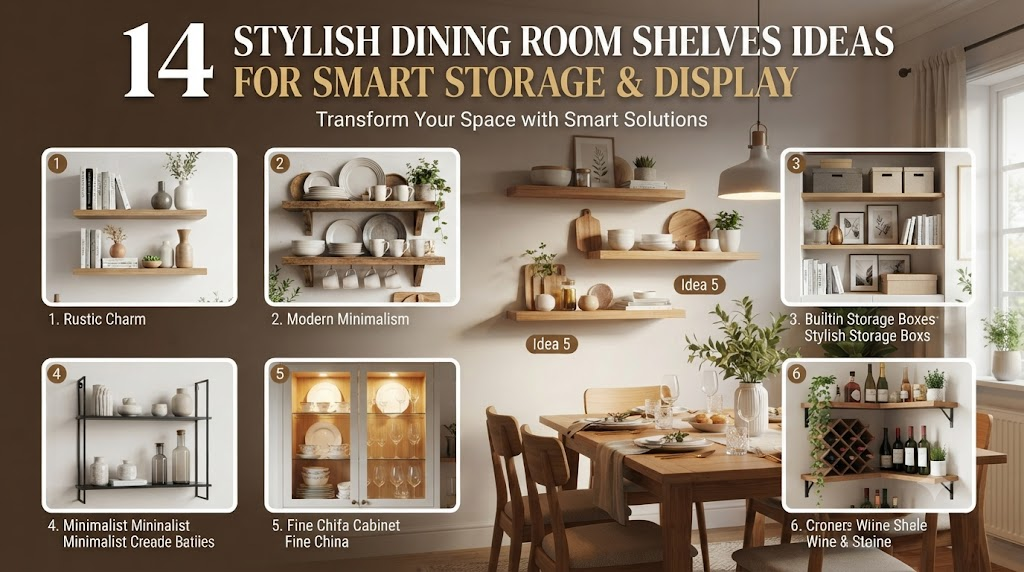
14 Stylish Dining Room Shelves Ideas for Smart Storage
The dining room is no longer just a place to eat; it’s the heart of the home, often serving as a workspace, a spot for board games, and a venue for hosting. As dining spaces evolve, vertical storage has become essential to keep surfaces clear while showcasing your unique aesthetic.
Properly installed shelving can turn an empty wall into a functional art installation. Whether you are working with a cozy apartment corner or a grand, open-concept dining area, the right shelving strategy will improve your room’s flow, storage capacity, and visual depth.
1. Floating Wooden Shelves
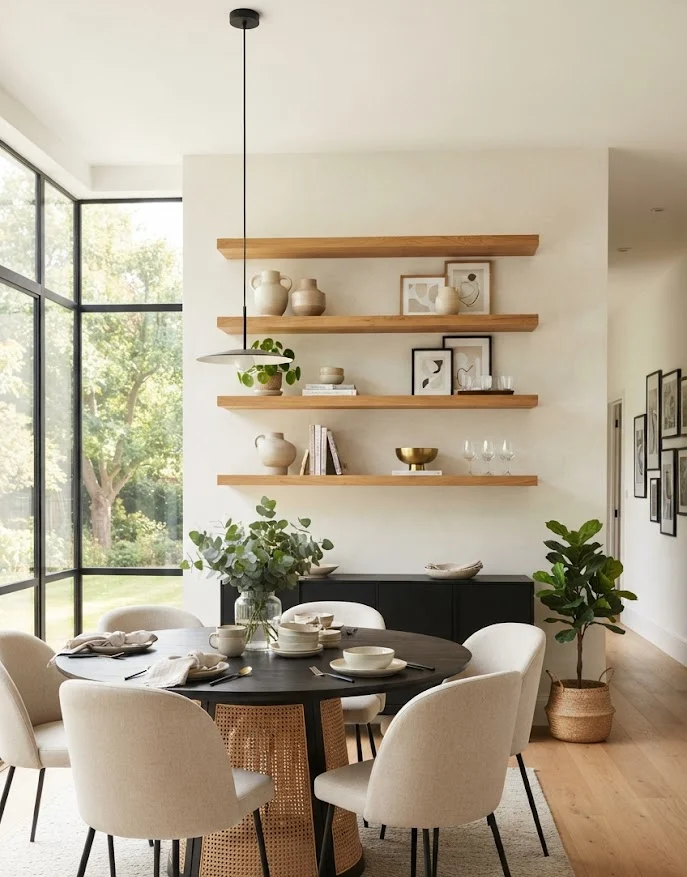
Floating shelves offer a clean, minimalist aesthetic that works in almost any interior style. By removing visible brackets, these shelves appear to emerge directly from the wall, keeping the look light and airy—perfect for smaller dining rooms.
To ensure longevity, choose solid hardwood or high-quality reclaimed timber. For a modern look, opt for a light oak finish; for a moodier, more sophisticated vibe, walnut or a dark stain works best. Always ensure they are anchored directly to wall studs to safely support heavier items such as ceramic plates or heavy glassware.
2. Built-In Wall Shelving
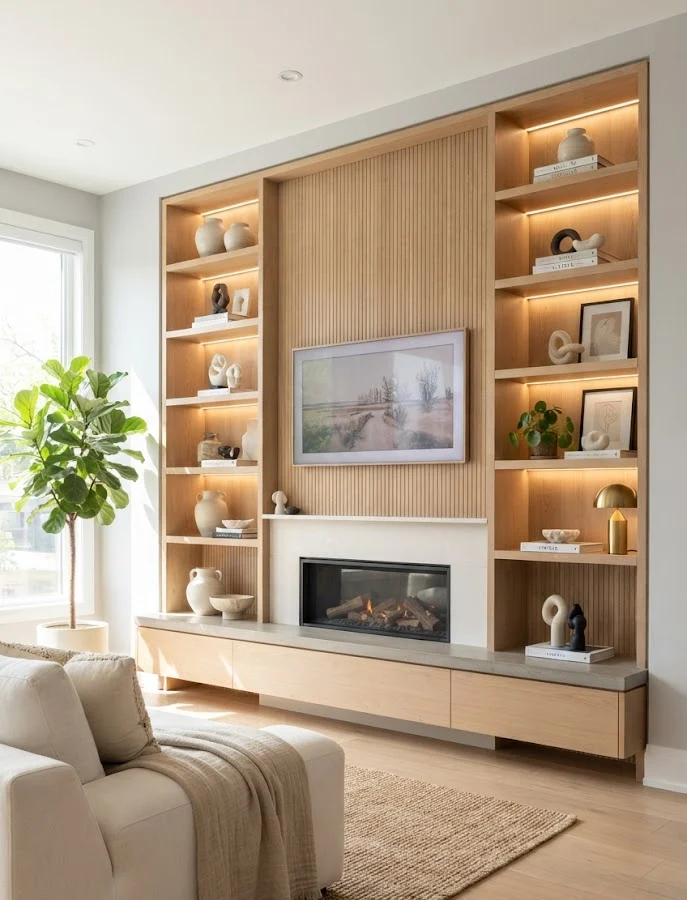
If you want to add architectural value to your home, built-in floor-to-ceiling units are the gold standard. They provide significant storage and can be customized to frame a buffet or side table, creating a seamless, high-end look.
You can mix open shelves for display with lower closed cabinets to hide clutter—like seasonal linens or rarely used serving trays. Integrating lighting into the back of these units can turn your shelves into a glowing display case, highlighting your favorite collectibles and fine china.
3. Industrial Pipe Shelves
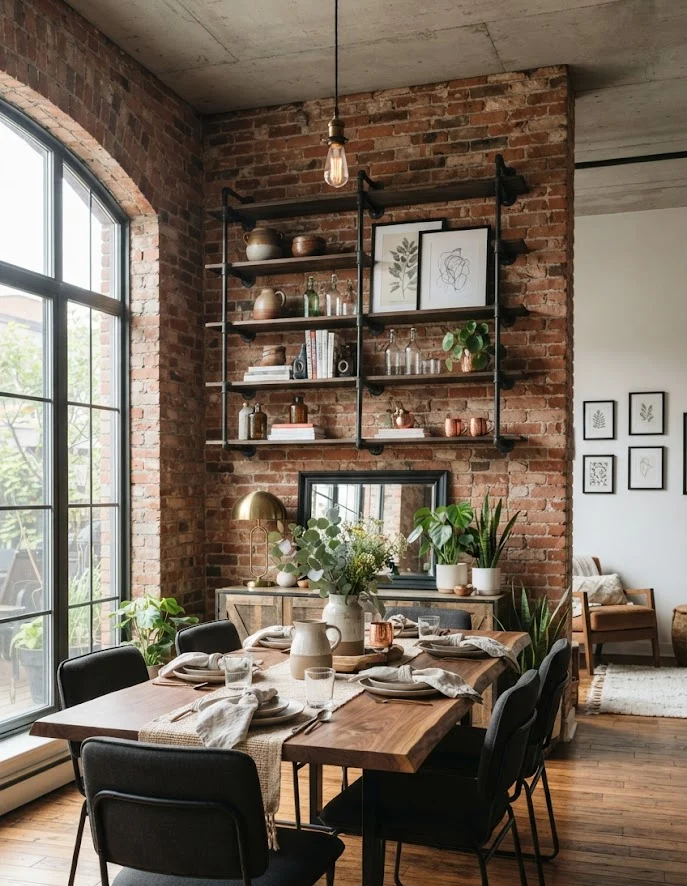
For those leaning into the “urban loft” or “farmhouse industrial” look, pipe shelving is an excellent choice. This design features rustic wood planks suspended by threaded iron pipes and flanges, offering a raw, textured contrast to soft dining room textiles.
The benefit of industrial pipe shelving is its sheer strength. These units can comfortably hold heavy stacks of dinnerware or oversized coffee table books without the risk of bowing or instability. It is a bold, masculine, and highly durable design choice.
4. Glass Display Shelves
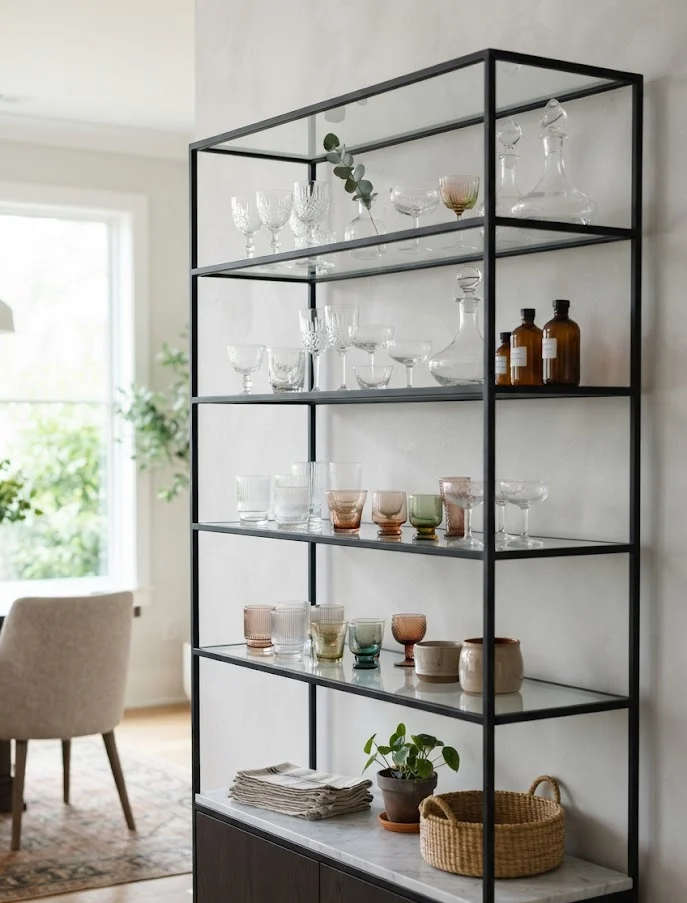
Glass shelves are the ultimate “invisible” storage solution. Because they are transparent, they don’t break up the wall visually, making them ideal for small or narrow dining rooms. They provide a high-end, gallery-like feel to your space.
These are perfect for showcasing delicate glassware, crystal decanters, or colorful artisan pottery. Since they don’t hold the same weight as solid wood, use them specifically for lighter decor items. Pair them with brushed brass or matte black hardware to add a touch of luxury.
5. Corner Wall Shelves
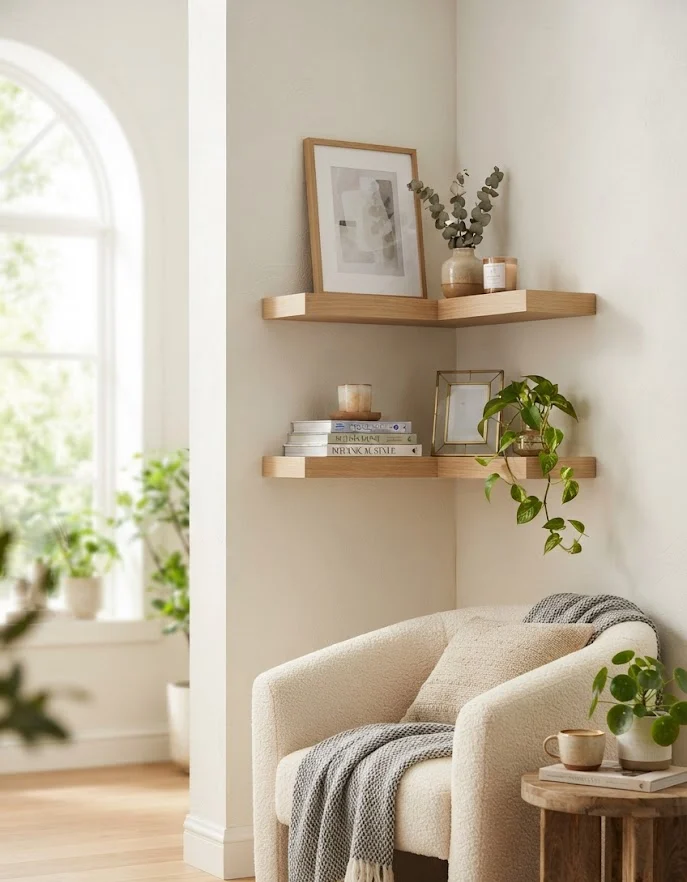
Don’t let awkward corners go to waste. Corner shelves allow you to utilize “dead space” to create a unique display area. They are excellent for holding smaller decorative items, trailing plants, or a collection of small bowls.
Curved corner shelves are particularly popular in 2026, as they soften the room’s hard angles and follow the current trend toward organic, rounded silhouettes.
6. Ladder-Style Leaning Shelves
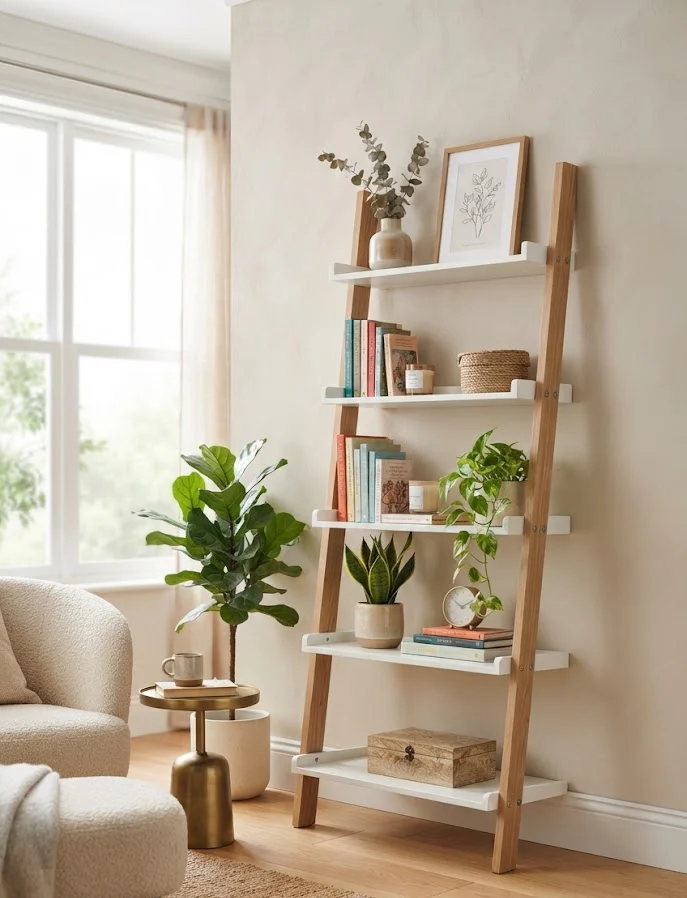
If you are a renter or someone who likes to frequently rearrange their space, ladder shelves are a fantastic, non-permanent solution. These units lean against the wall and offer multiple tiers of storage without requiring holes in your drywall.
Ladder shelves have a relaxed, casual vibe. They are perfect for mixing books, plants, and decorative baskets, creating a “collected” feel that is very trendy this year.
7. Open Shelving Above a Buffet
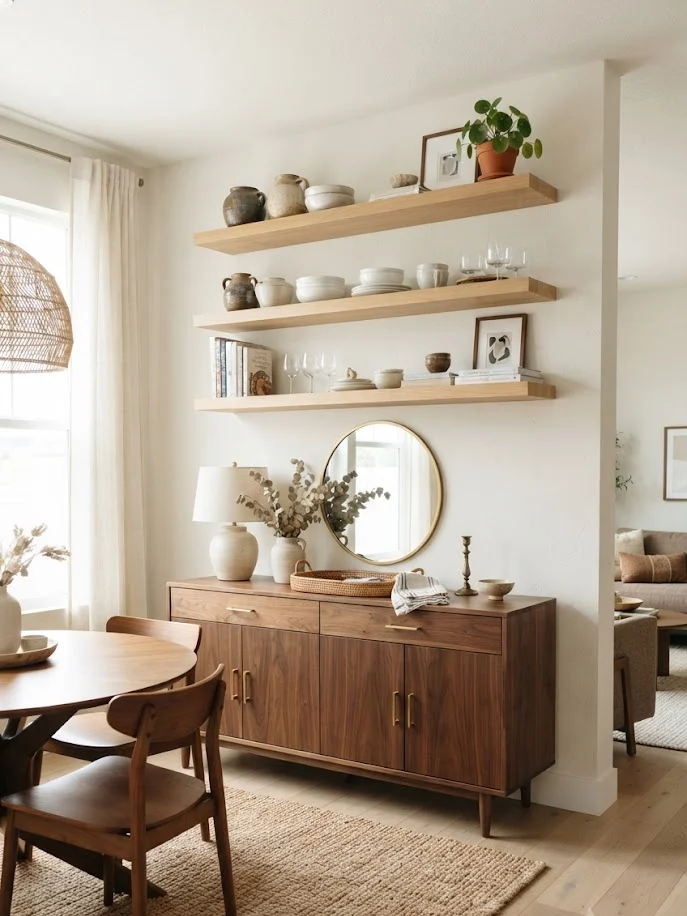
The space above a console table or buffet is often neglected. Installing two or three long, open shelves here creates a functional “dry bar” or a stunning display for your best serveware.
Keep the width of the shelves consistent with the buffet below to maintain visual symmetry. This configuration is highly practical as it places serving dishes right where you need them during a dinner party.
8. Recessed Wall Niches
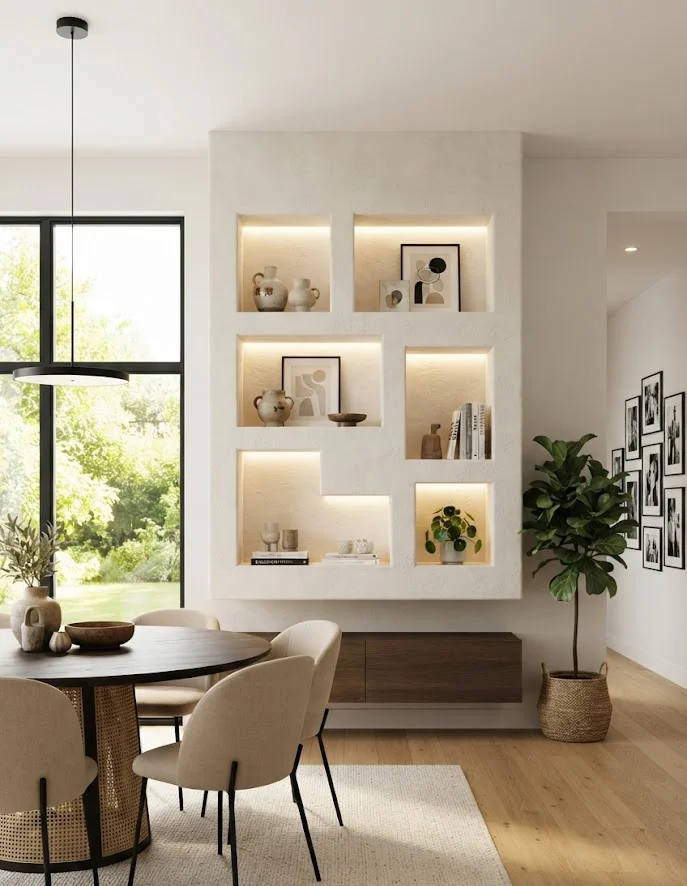
Recessed niches offer a clean, architectural look that feels like part of the home’s original structure. Since the storage is tucked into the wall, it adds zero bulk to the room, preserving the floor plan while adding significant depth and interest.
This is a great place to incorporate LED strips. A well-lit niche becomes a dramatic focal point, perfect for highlighting a single, high-value piece of art or a unique sculpture.
9. Metal Frame Wall Shelves
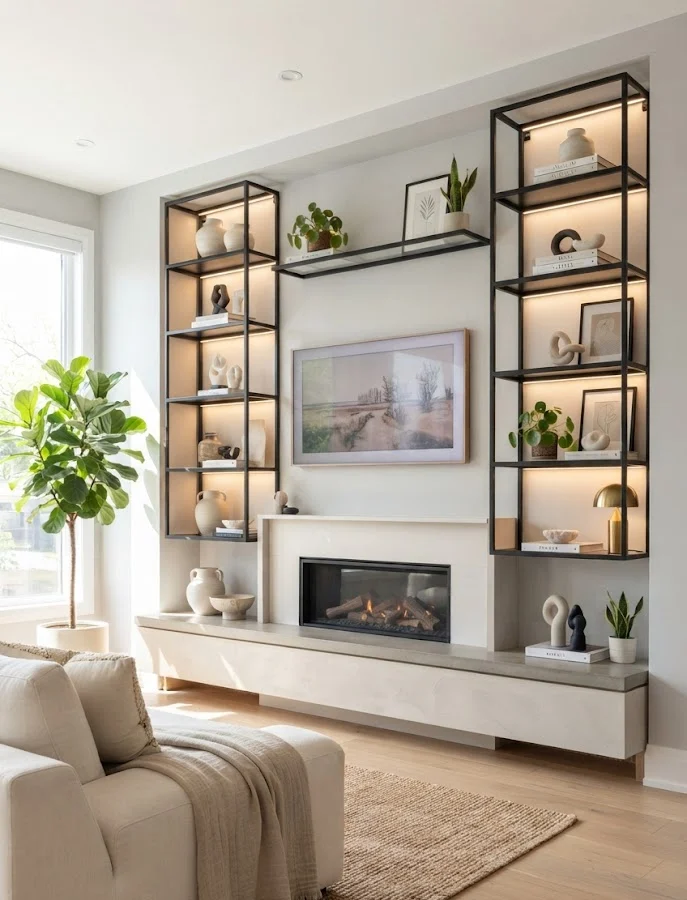
Thin, black metal frames are a staple of 2026 modern design. These units provide a structured, grid-like appearance that adds a sense of order to your walls. They are visually “sharper” than wooden shelves and work incredibly well with white, grey, or neutral wall colors.
They are perfect for displaying a mix of items—books, plants, and small sculptures—without the shelves themselves becoming the focus.
10. Rustic Wood Box Shelves
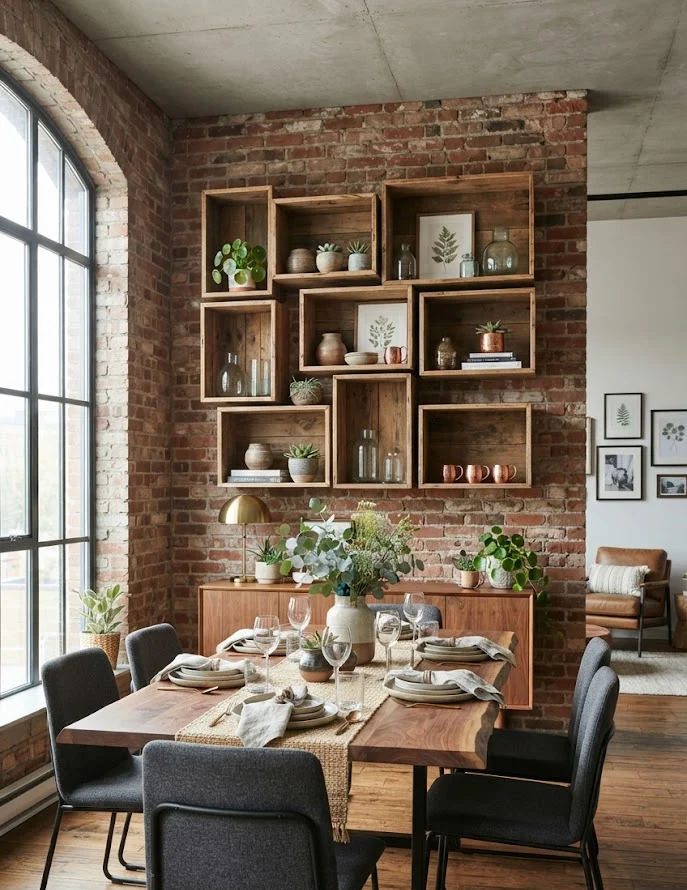
Box shelves—or “cube” shelves—provide defined compartments for your decor. This style is excellent for people who struggle with styling, as the “box” naturally creates smaller, manageable sections that are easy to organize.
You can arrange them in a scattered pattern or a clean, stacked grid. Use distressed or reclaimed wood to add a layer of texture and warmth to a sterile dining area.
11. Minimalist White Wall Shelves
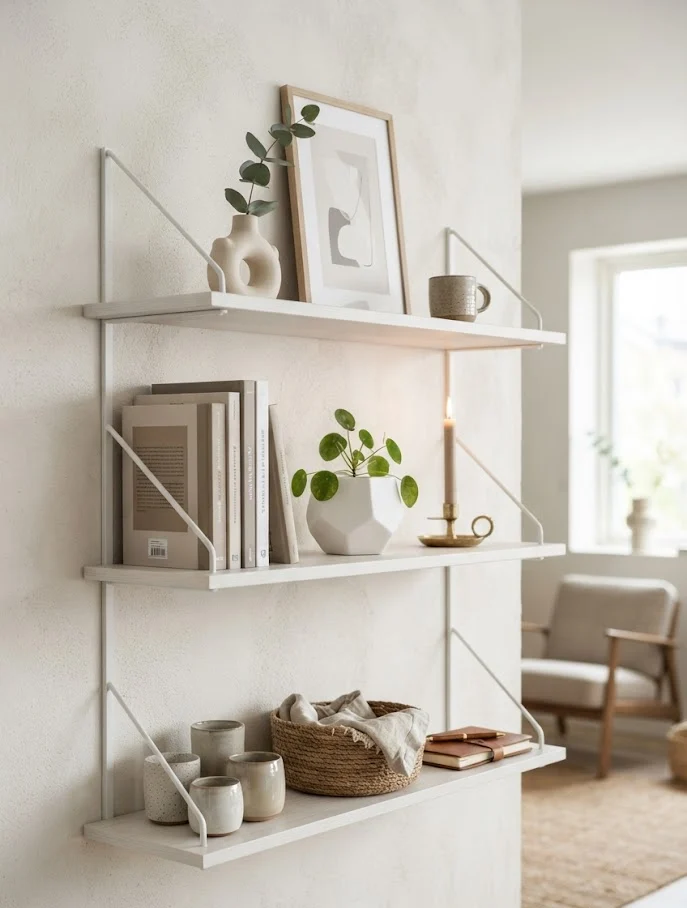
In a room that already features bold art or a statement dining table, you may want your shelving to disappear. Minimalist, thin white shelves that blend into the wall color are the perfect solution.
This approach creates a “floating” effect for your items. It allows your curated collection of ceramics, books, or vases to stand out as the star of the show.
12. Glass Door Cabinet Shelves
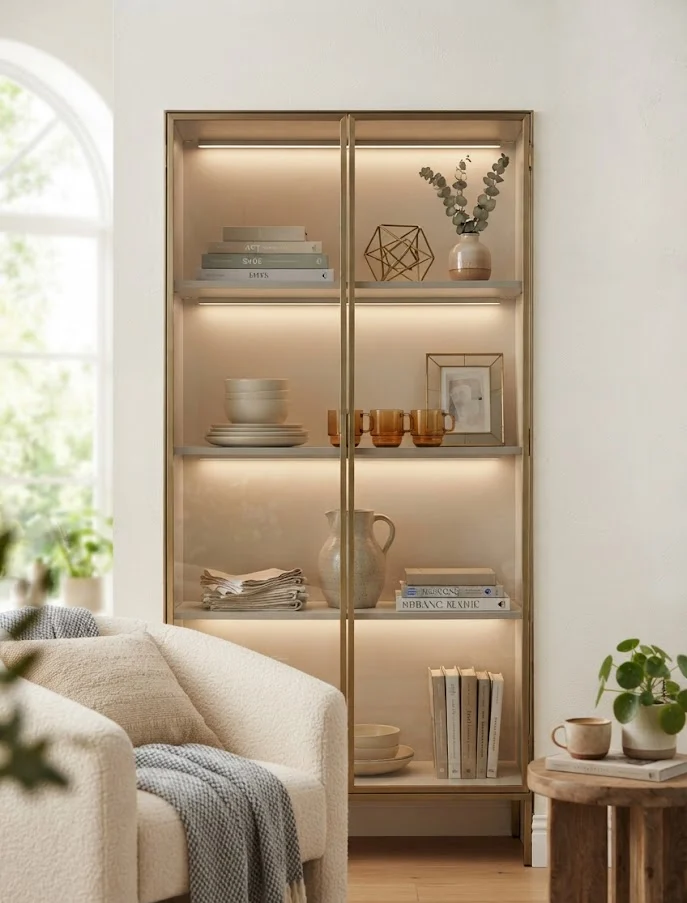
If you are worried about dust collecting on your items, glass door cabinets are the perfect middle ground between open shelving and a closed cupboard. You get the visual “showcase” effect, but your fine china remains protected.
These cabinets are inherently formal and work best in traditional or “transitional” dining rooms. They are also great for displaying glassware that you want to keep sanitary for guests.
13. Mixed Material Shelving
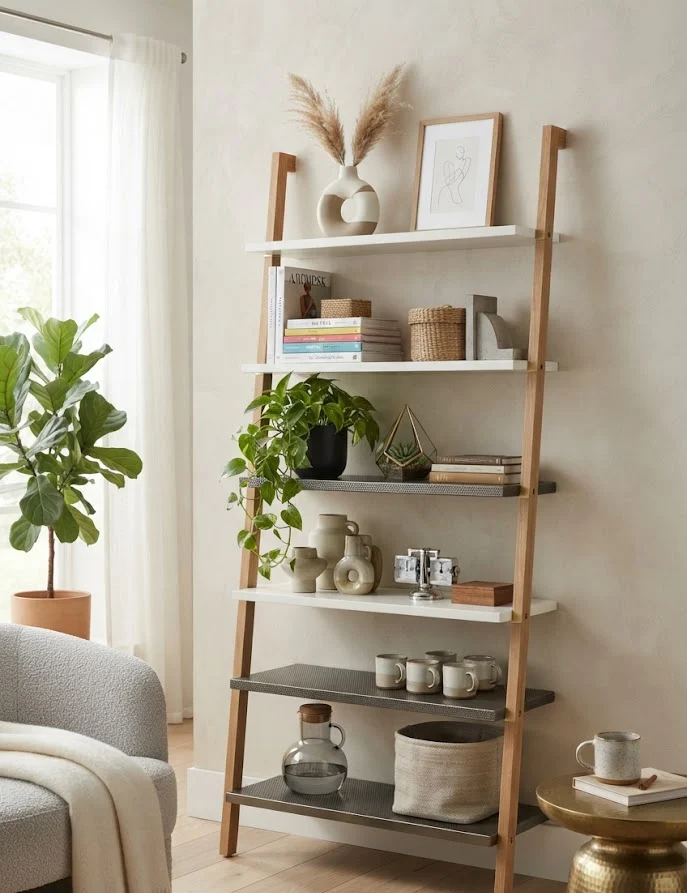
Why choose one material when you can have the best of both worlds? Combining materials—such as wood planks with brass brackets, or glass shelves with a marble backing—adds instant sophistication and depth.
Mixing materials makes the shelving feel custom and high-end, like something you’d find in a boutique hotel.
14. Symmetrical Wall Shelf Arrangement
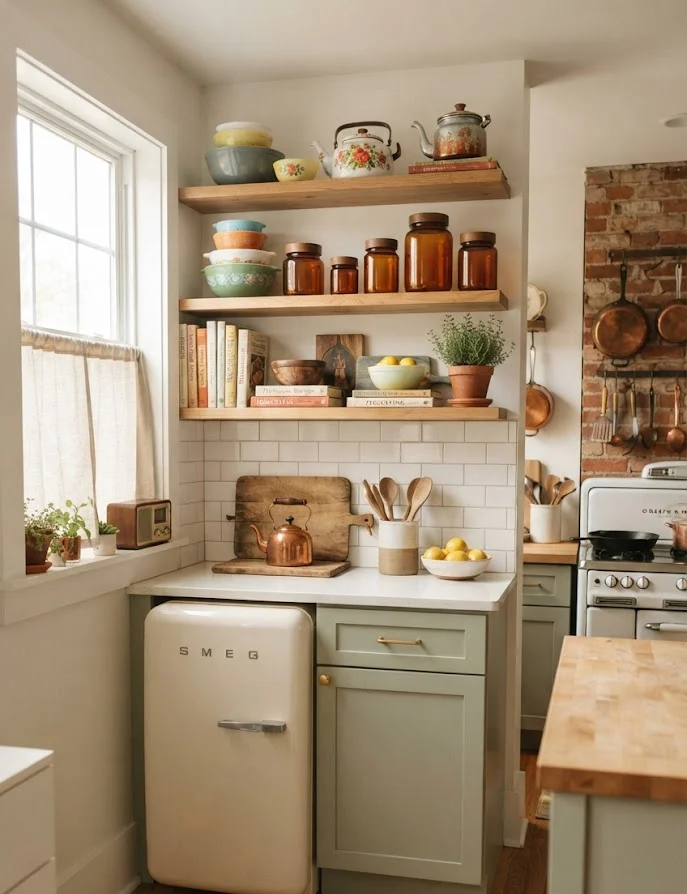
Symmetry is the secret to a professional-looking room. Placing identical shelving units on either side of a piece of art or a window creates a balanced, formal look that frames the entire dining area.
Symmetrical layouts create a sense of calm and order, which is perfect for a room meant for quiet, lingering dinners.
Quick Reference: Comparison of Shelving Solutions
| Shelf Type | Best For | Weight Capacity | Installation |
| Floating | Modern/Minimalist | Medium | Moderate |
| Built-in | High-end storage | Very High | Advanced |
| Industrial | Loft/Rustic | High | Easy/Moderate |
| Glass | Fine Decor | Low | Moderate |
| Ladder | Renters/Flexible | Medium | Very Easy |
Styling Guide: How to Style Shelves Like a Pro
- The “Anchor” Method: Start with your largest items first—a vase, a stack of large books, or an art print. Place these to ground the shelf.
- Layering: Don’t put everything in a straight line. Lean art behind smaller items to create depth.
- The 60/40 Rule: Aim for 60% functional/display items and 40% “negative space” (space). Overcrowding makes shelves look like clutter, not decor.
- Greenery: Always add a touch of life. Trailing plants like Pothos are excellent for high shelves, while small succulents work well on lower ones.
- Color Palette: Limit your shelf display to a 3-color palette to ensure the arrangement feels cohesive.
Common Mistakes to Avoid
- Ignoring Wall Studs: Never mount heavy shelves into drywall alone. You risk the shelf crashing down and ruining your wall. Always use a stud finder.
- Forgetting to Level: Eyeballing the installation often leads to “tilted” shelves that make items slide. Use a spirit level—it’s non-negotiable.
- Overloading: Every shelf has a weight capacity. Check the manufacturer’s rating before filling it with heavy ceramic bowls.
- Poor Lighting: Shelves in shadows look dull. Consider clip-on lights or battery-operated LED puck lights if the area is dark.
Frequently Asked Questions
Q: Can I install open shelving in a formal dining room?
A: Yes! The key is curation. Limit your items to high-quality pieces, use symmetry, and keep the shelves clean. Minimalism is the secret to elegance.
Q: What is the ideal height for dining room shelves?
A: If above a buffet, aim for 10–14 inches above the furniture surface. If on a blank wall, eye level is usually best (about 57 inches from the floor).
Q: How do I choose between wood and metal?
A: Choose wood if you want to add warmth and a natural feel. Choose metal for an architectural, modern, or industrial vibe.
Q: Can I mix materials on the same wall?
A: Absolutely, but stay consistent with your hardware finishes (e.g., all gold brackets or all black hardware) to keep it from looking messy.
Q: How often should I “edit” my shelves?
A: Seasonal refreshing is a great rule of thumb. Every 3–4 months, take everything off, dust, and rearrange. It keeps the room feeling fresh without needing new furniture.
Conclusion
Dining room shelves are far more than just a place to store plates; they are the connective tissue between your furniture and your walls. By choosing the right material, planning your layout with symmetry, and styling with intention, you can transform your dining room from a basic eating area into a space that reflects your personality and tastes. Start with one wall, keep the “negative space” in mind, and watch how your room opens up.