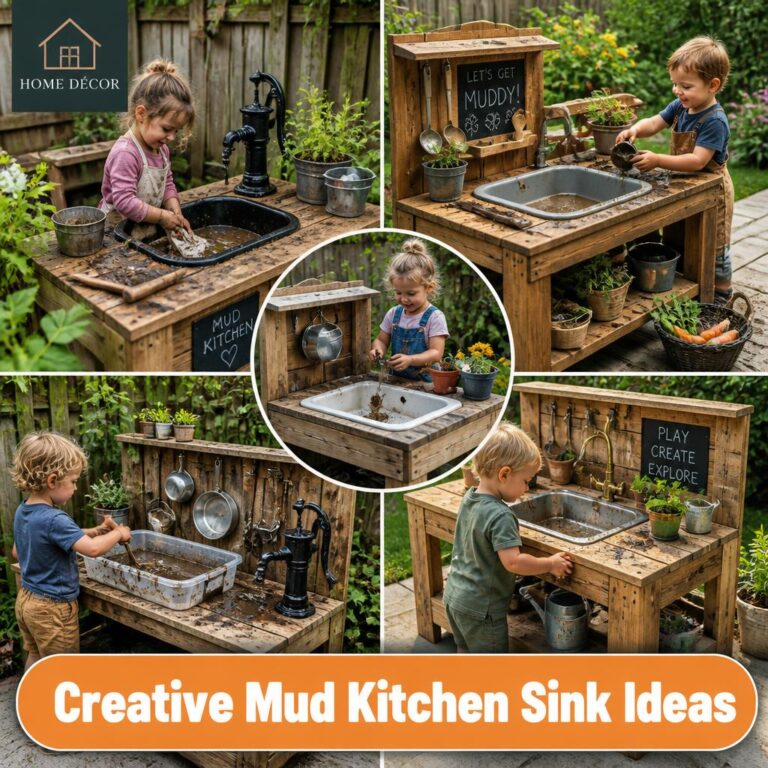
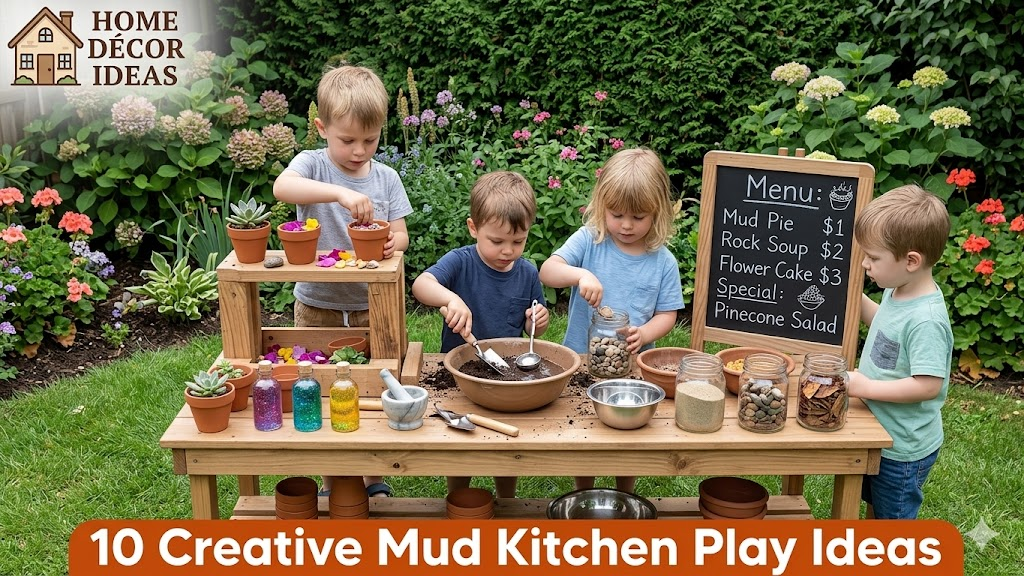
Mud Kitchen Play Ideas: 10 Creative Ways to Inspire Outdoor Play
There’s something magical about giving children a space where they can mix, pour, scoop, and create using nothing more than mud, water, and natural materials. Over the years, I’ve discovered that mud kitchens are one of the most engaging outdoor play setups for children. They encourage creativity, build confidence, and transform ordinary backyard moments into exciting adventures.
Unlike many toys that lose their appeal after a few days, mud kitchens offer endless possibilities. One day, children might run a pretend bakery, and the next they could become scientists, gardeners, or restaurant owners. The beauty of mud kitchen play ideas lies in their flexibility and ability to grow with a child’s imagination.
In this guide, you’ll find ten unique and exciting mud kitchen activities that encourage hands-on learning, sensory exploration, and hours of outdoor fun.
Benefits of Mud Kitchen Play
Before exploring the ideas, it’s important to understand why mud kitchens are so beneficial.
- Encourages imaginative play and storytelling.
- Supports sensory development through texture exploration.
- Improves fine motor coordination.
- Promotes outdoor activity and nature connection.
- Develops communication and social skills.
- Introduces basic science and math concepts naturally.
Children often learn best when they are having fun, and mud kitchens provide the perfect environment for meaningful learning through play.
1. Nature Bakery Station
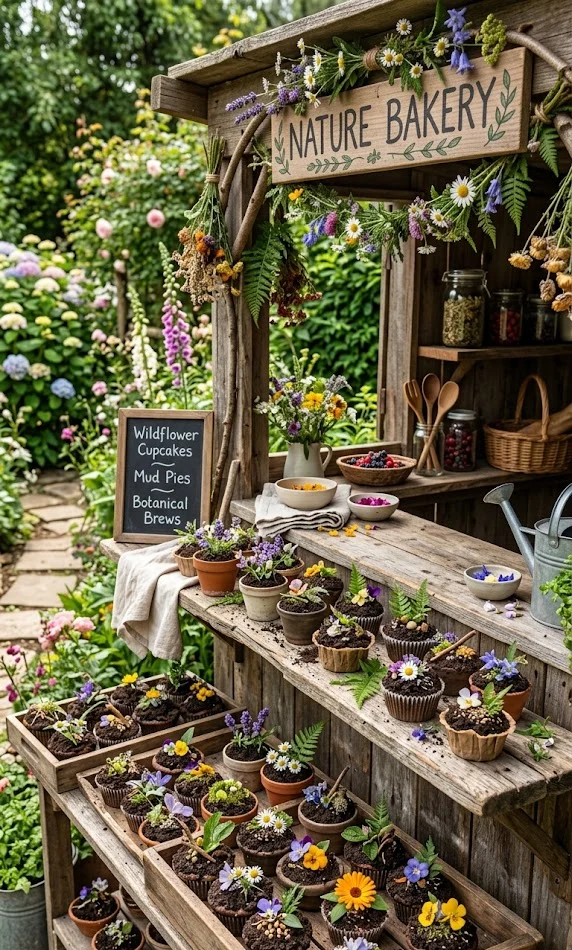
Transform the mud kitchen into a charming outdoor bakery. Children can create pretend cakes, muffins, and cookies using mud, sand, leaves, flower petals, and small stones.
Provide muffin tins, baking trays, mixing bowls, and wooden spoons. Kids can decorate their creations using colorful petals and natural treasures collected from the garden.
This activity encourages creativity while helping children practice sorting, decorating, and role-playing.
2. Garden Soup Café
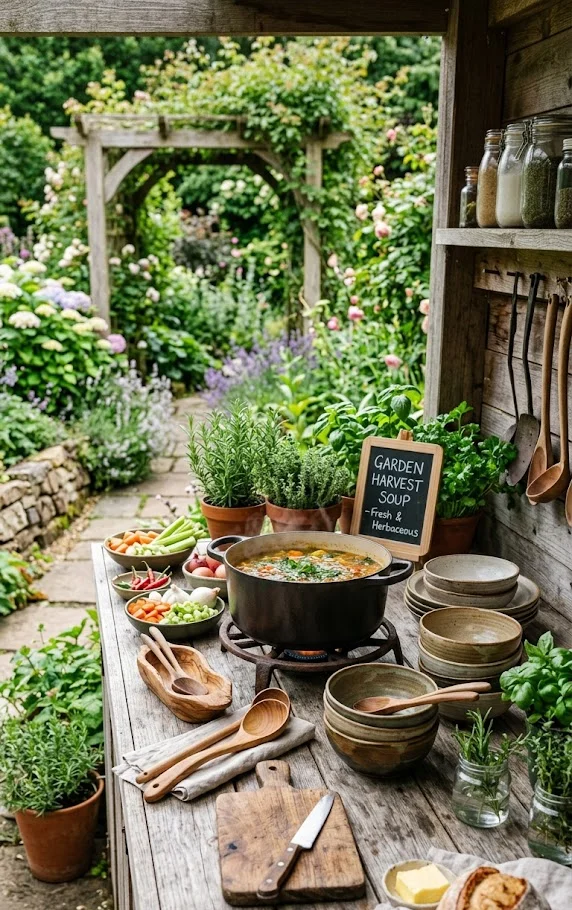
A garden soup café allows children to experiment with different natural ingredients. Collect herbs, leaves, grass clippings, and flower petals for soup-making adventures.
Kids can invent recipes, mix ingredients, and serve meals to family members or stuffed animals. This activity encourages language development as children describe their ingredients and recipes.
3. Fairy Potion Workshop
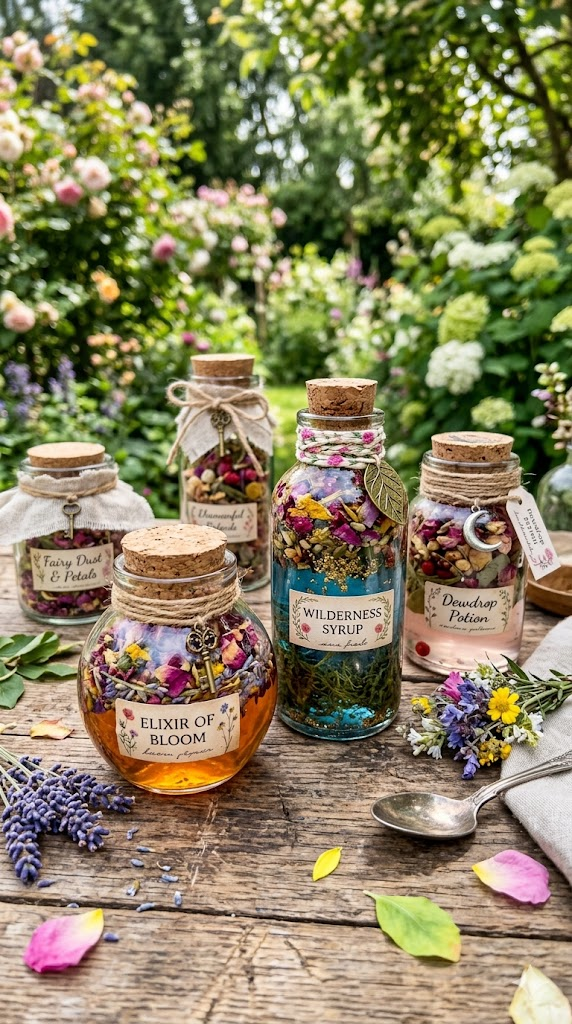
Turn the mud kitchen into a magical potion laboratory. Provide jars, measuring spoons, funnels, and containers filled with natural materials.
Children can mix colorful potions using water, petals, leaves, and safe natural items. They often invent magical stories while creating their special mixtures, which supports imaginative thinking and storytelling.
4. Mud Kitchen Science Lab
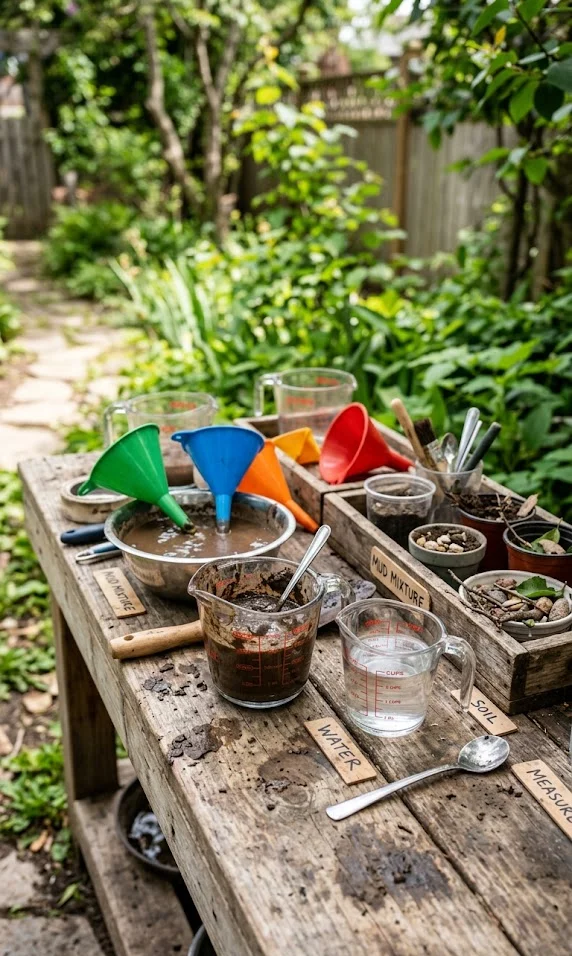
This activity blends fun with learning. Add measuring cups, scales, rulers, and containers.
Children can compare wet and dry materials, test how much water mud can absorb, and explore simple scientific concepts through experimentation.
Without realizing it, they begin learning observation, prediction, and measurement skills.
5. Outdoor Restaurant Corner
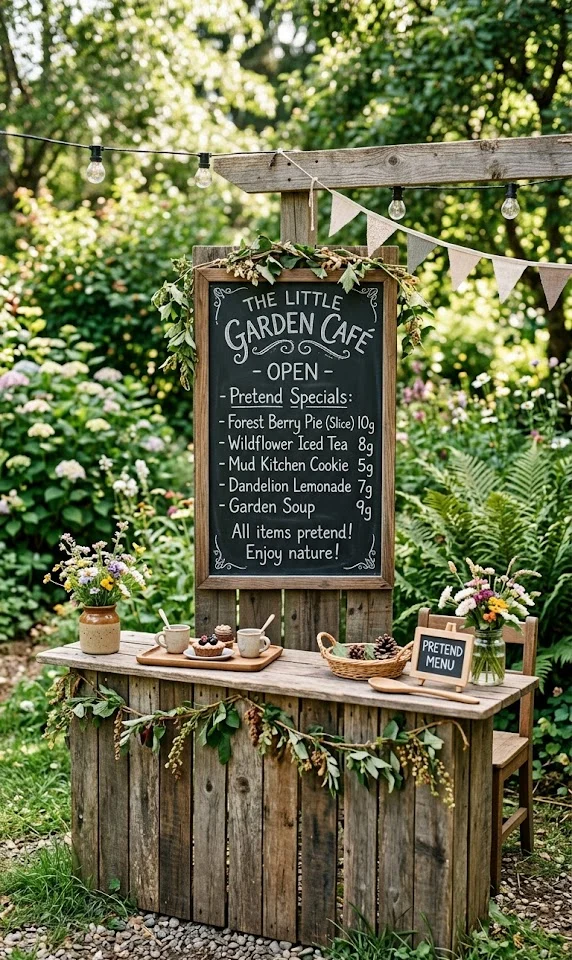
Create a restaurant where children become chefs, servers, and customers.
A simple chalkboard menu can encourage writing practice, while pretend food preparation builds communication skills. Older children often enjoy creating daily specials and pricing their menu items.
This setup promotes teamwork and cooperative play.
6. Flower Ice Cream Stand
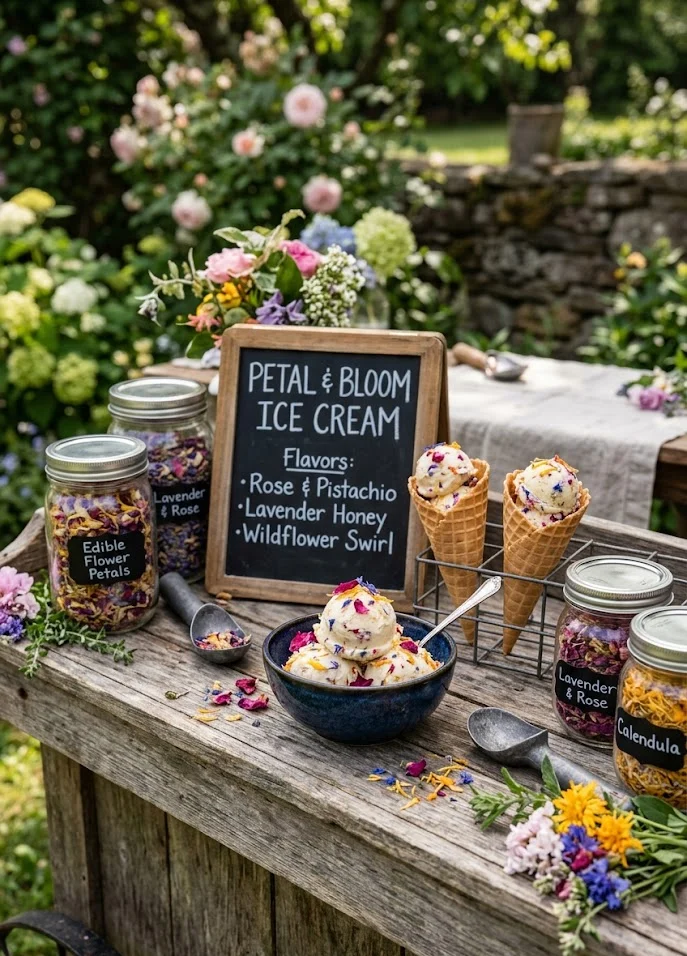
Use flower petals, sand, and mud to create pretend ice cream flavors.
Children can use scoops, cupcake liners, and bowls to design unique desserts. This activity encourages creative thinking and allows kids to explore colors, patterns, and presentation.
It also inspires imaginative customer interactions.
7. Mini Construction Site
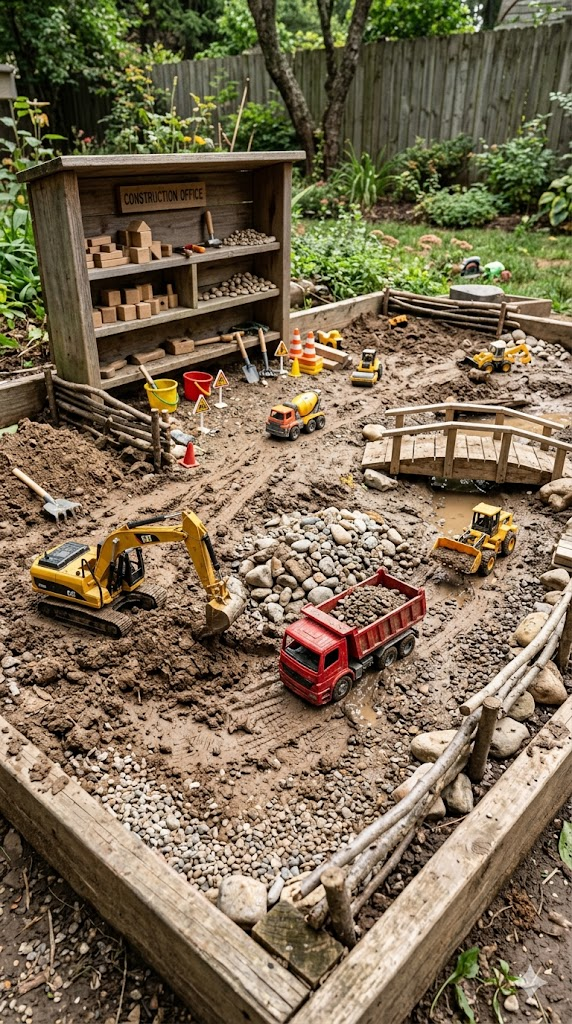
Many children love building and digging. A construction-themed mud kitchen combines both interests.
Add toy trucks, buckets, gravel, sticks, and mud. Children can mix pretend cement, transport materials, and construct miniature buildings.
This activity strengthens problem-solving abilities and spatial awareness.
8. Musical Mud Kitchen Wall
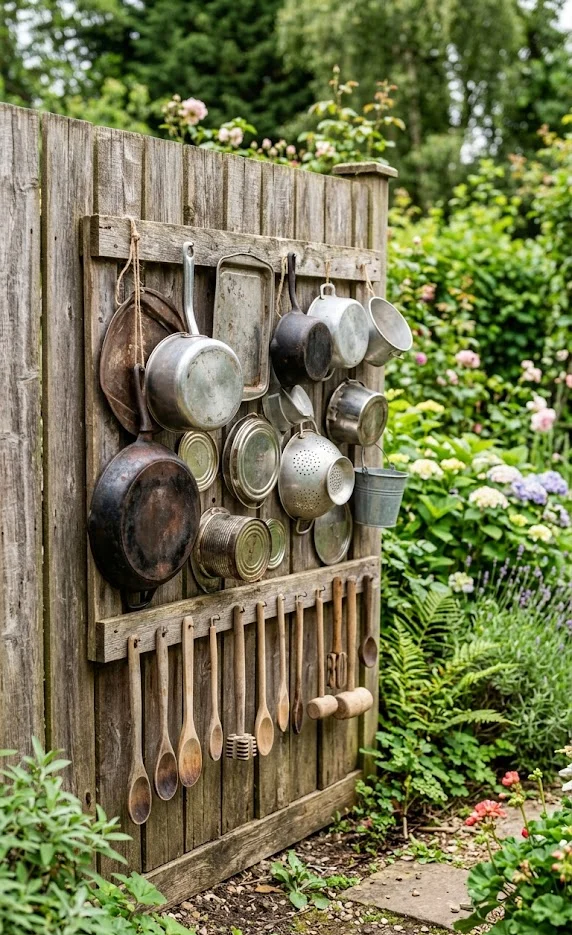
Attach old pots, pans, baking trays, and lids to a fence or wooden board.
Children can create rhythms while preparing imaginary meals. The combination of music and pretend play makes this activity highly engaging and supports auditory development.
Experimenting with different sounds also introduces basic concepts of music.
9. Nature Sorting Station
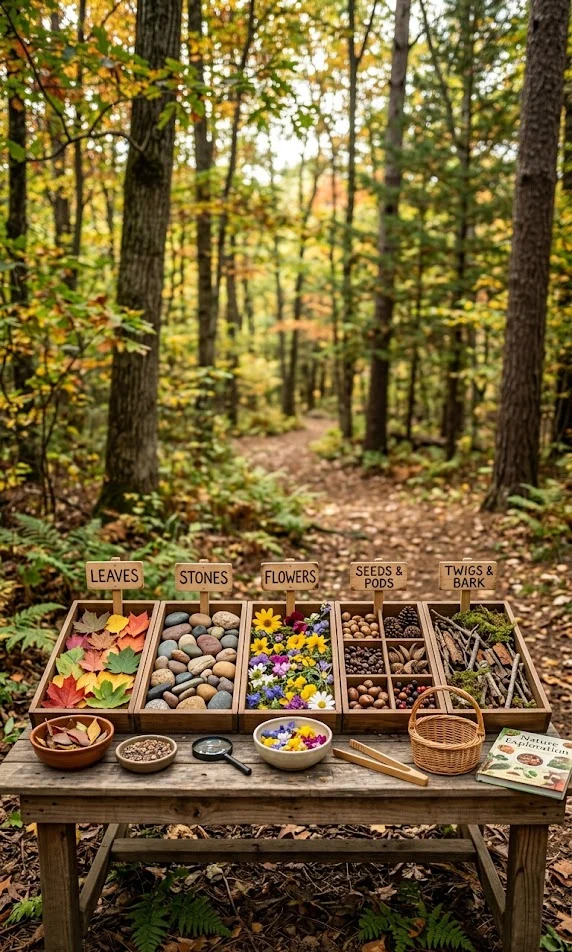
Gather natural items in various colors, shapes, and sizes.
Children can sort objects into categories, count them, and compare differences. This activity develops observation skills while introducing early math concepts.
Nature sorting can easily become a scavenger hunt adventure as well.
10. Woodland Farmers Market
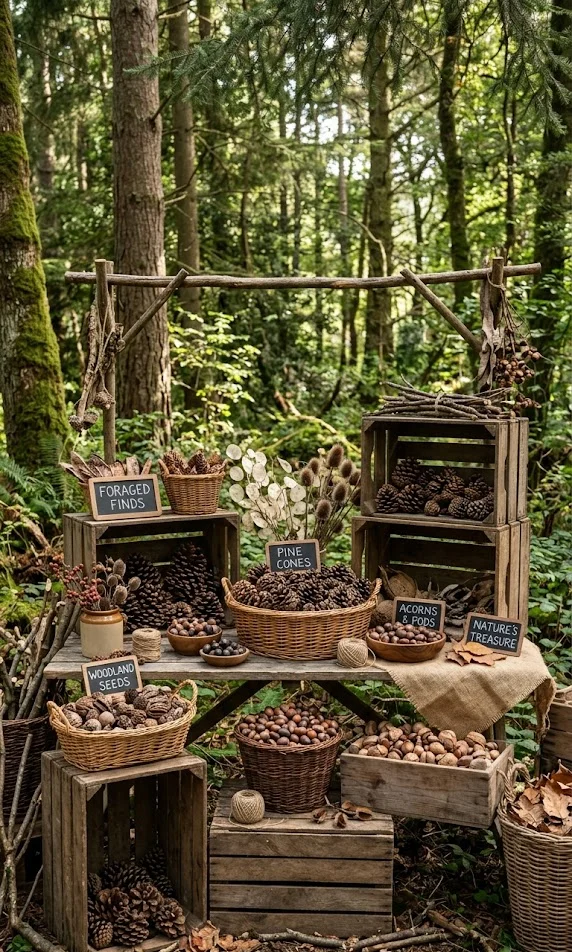
Create a pretend market using baskets, crates, and recycled cartons.
Children can collect natural materials and organize them as produce. They can take turns buying, selling, and arranging displays.
This role-play activity introduces basic money concepts, organization skills, and social interaction.
Tips for Setting Up a Budget Mud Kitchen
Creating a mud kitchen doesn’t require expensive equipment.
| Item | Budget-Friendly Option |
| Countertop | Wooden pallets |
| Sink | Plastic tubs |
| Storage | Crates and baskets |
| Cooking Tools | Old kitchen utensils |
| Decorations | Natural materials |
| Shelving | Recycled wooden boards |
Additional tips:
- Use recycled materials whenever possible.
- Create separate cooking and washing areas.
- Regularly inspect for safety hazards.
- Allow children to help design the space.
- Rotate materials seasonally to keep play exciting.
Conclusion
Mud kitchens offer far more than messy outdoor fun. They provide children with opportunities to create, experiment, imagine, and learn through hands-on experiences. Whether you’re working with a small patio or a large backyard, these mud kitchen play ideas can transform an ordinary outdoor space into a world of creativity and discovery.
The best part is that every mud kitchen becomes unique. With a few simple materials and a little imagination, you can create an outdoor play area that children will enjoy again and again.
FAQs
What age is suitable for mud kitchen play?
Most children between ages 2 and 10 enjoy mud kitchens, though activities can be adapted for different age groups.
Is mud kitchen play educational?
Yes. Children naturally develop creativity, communication, math, science, and problem-solving skills while playing.
How can I make a mud kitchen on a budget?
Use recycled pallets, old kitchen utensils, plastic containers, and natural materials found outdoors.
How often should I clean the mud kitchen?
A quick tidy after each play session and a deeper clean weekly is usually sufficient.
Can mud kitchens be used year-round?
Absolutely. Seasonal materials can keep the experience fresh throughout the year.
What materials should I avoid?
Avoid sharp objects, toxic plants, and breakable items that may pose safety risks.
How do I encourage reluctant children to participate?
Start with simple activities like scooping, pouring, or collecting natural materials before introducing mud-based play.